What Is The Third Pillar Of Islam? The third pillar of Islam is Zakat, the obligatory act of giving a specific portion of qualifying wealth to eligible people who need financial support. Zakat is not simply voluntary charity. Instead, it is an important act of worship that connects faith with responsibility, generosity, and social justice.
For Muslims, understanding Zakat is essential because it represents one of the five pillars that form the foundation of Islamic practice. Moreover, learning about Zakat helps Muslims understand how Islam approaches wealth, responsibility, compassion, and community welfare.
This guide explains the meaning and purpose of Zakat in clear terms. It also explores who may need to pay it, what types of wealth can be subject to it, how it is distributed, and several common misunderstandings surrounding the obligation. In addition, students who want to strengthen their understanding of Islamic teachings can study these concepts with structured guidance through Misk Online Quran Academy.
What Is The Third Pillar Of Islam? Understanding Zakat?
When people ask What Is The Third Pillar Of Islam?, they are usually looking for the name of the pillar as well as an explanation of its significance. The answer is Zakat. It is a financial act of worship that requires eligible Muslims to give a defined portion of qualifying wealth to people entitled to receive it.
Unlike ordinary charitable giving, Zakat has specific conditions. Therefore, a Muslim does not simply choose an amount at random. Instead, eligibility depends on factors such as the type and amount of wealth owned, the applicable threshold, and the period for which qualifying wealth has been held.
The purpose goes beyond transferring money from one person to another. Zakat encourages Muslims to recognize that wealth carries responsibilities. At the same time, it helps develop generosity and concern for people experiencing financial hardship.
For students studying Islam, this distinction is particularly important. Zakat combines personal worship with a broader concern for society, making it an essential topic in Islamic education.
Start Your Quran Learning Journey with Misk Online Quran Academy
Begin your Quran learning journey with Misk Online Quran Academy, where students of all ages benefit from structured online Quran classes tailored to their individual level and learning needs.
Whether your goal is to improve Quran recitation, master Tajweed rules, or begin memorizing the Holy Quran, our experienced and qualified teachers provide clear step-by-step guidance through personalized one-to-one lessons. Each session is designed to help learners understand, practice, and improve with confidence and consistency.
With flexible scheduling, interactive teaching methods, and a supportive online environment, Misk Online Quran Academy makes it easier to stay committed and motivated. Students can learn comfortably from home while making steady progress in their Quran studies at their own pace.

Why Is Zakat The Third Pillar of Islam?
Understanding What Is The Third Pillar Of Islam? becomes easier when Zakat is viewed within the complete framework of the five pillars. These pillars establish fundamental practices through which Muslims express faith and obedience to Allah.
Zakat occupies a unique position because it involves both spiritual and financial responsibility. A Muslim who fulfills the obligation does not merely provide financial assistance. Rather, the act is performed as worship and in obedience to Allah.
Furthermore, Zakat can encourage a healthier attitude toward material possessions. Wealth can easily become a source of pride or excessive attachment. By giving a required share, Muslims are reminded that possessions are temporary and that helping others is part of responsible living.
The practice can also strengthen community relationships. When eligible wealth is directed toward legitimate recipients, financial support can reach people facing poverty, debt, or other forms of hardship.
Consequently, Zakat represents an important connection between individual faith and social responsibility.
What Is The Third Pillar Of Islam And Why Does It Matter?
The question What Is The Third Pillar Of Islam? is not only about memorizing the word Zakat. A deeper understanding requires recognizing why this pillar matters in everyday Muslim life. In addition, preparing for important periods of worship can help Muslims build stronger religious habits, especially when they learn how to prepare for Ramadan with quran.
Zakat can help cultivate several important qualities:
- Obedience: Muslims fulfill an obligation commanded by Allah.
- Generosity: Giving encourages a willingness to share wealth.
- Humility: Wealth is viewed as a responsibility rather than a reason for superiority.
- Self-discipline: Muslims learn to manage possessions with greater awareness.
- Compassion: Zakat directs attention toward people facing financial difficulty.
- Social responsibility: Wealth can be used to support members of the wider community.
- Spiritual purification: Giving can help reduce excessive attachment to material possessions.
Moreover, Zakat reminds Muslims that financial success does not exist independently from moral responsibility. A person may own considerable wealth, yet Islam teaches that wealth comes with duties.
This perspective makes Zakat more than an annual financial calculation. It becomes an opportunity to reassess one’s relationship with possessions and with the people around them.
What Is The Third Pillar Of Islam in Daily Muslim Life?
Someone asking What Is The Third Pillar Of Islam? may also wonder how this pillar affects ordinary life. Zakat encourages Muslims to remain conscious of their financial responsibilities throughout the year rather than treating giving as an isolated event.
For example, a Muslim may keep records of qualifying assets, review financial obligations, and determine when Zakat becomes due. This process encourages financial organization as well as religious awareness.
Additionally, understanding Zakat can influence how a Muslim thinks about saving, spending, and helping others. Instead of seeing wealth solely as something for personal use, a Muslim recognizes that certain circumstances may create an obligation toward eligible recipients.
Parents can also introduce children to the values behind Zakat without focusing only on calculations. Teaching children about generosity, gratitude, and caring for people in difficulty can help them appreciate the wider meaning of Islamic financial ethics.
For structured Islamic learning, Misk Online Quran Academy can provide an educational environment where students explore foundational Islamic concepts alongside Quran learning and related studies. Families can also compare online quran classes vs local madrasa when choosing a suitable learning format.
How Is Zakat Different From Sadaqah?
Zakat and Sadaqah are both connected with giving, but they are not identical. Zakat is an obligatory form of worship for Muslims who meet its conditions, while Sadaqah generally refers to voluntary charity.
This distinction is important because voluntary generosity does not automatically replace an outstanding Zakat obligation.
Sadaqah can be given at different times and in different circumstances. A person may give money to someone in need, support a charitable project, provide food, or perform another beneficial act with the intention of voluntary charity.
Zakat, however, follows specific religious rules. The amount and eligibility depend on the nature of the wealth and the applicable conditions.
Therefore, a Muslim can give Sadaqah throughout the year while also fulfilling Zakat when it becomes due. Both practices encourage generosity, but their legal and religious status differs.
Students who want to understand the difference between Quran memorization and interpretation can also explore difference between hifz and tafseer as part of their wider Islamic education.
What Is The Third Pillar Of Islam And Who Must Pay Zakat?
To answer What Is The Third Pillar Of Islam? completely, it is necessary to understand that Zakat does not apply to every person in exactly the same way.
Zakat becomes obligatory when a Muslim meets the relevant conditions established in Islamic jurisprudence. These conditions can involve ownership of qualifying wealth and reaching the required threshold, commonly known as nisab.
The calculation may also depend on the type of asset involved. Consequently, someone should not assume that simply having money means the same Zakat obligation applies in every situation.
For this reason, Muslims with complicated financial circumstances may benefit from consulting a qualified scholar who can consider their individual situation.
Basic Islamic education, meanwhile, can help students understand the vocabulary and principles involved before they approach detailed questions about their own finances.
A reliable learning program such as Misk Online Quran Academy can help students build a stronger foundation in Islamic studies and understand why practices such as Zakat are central to Muslim life. Parents who want to select an appropriate instructor can also review how to choose an online quran teacher for your child.
What Is Nisab and Why Is It Important?
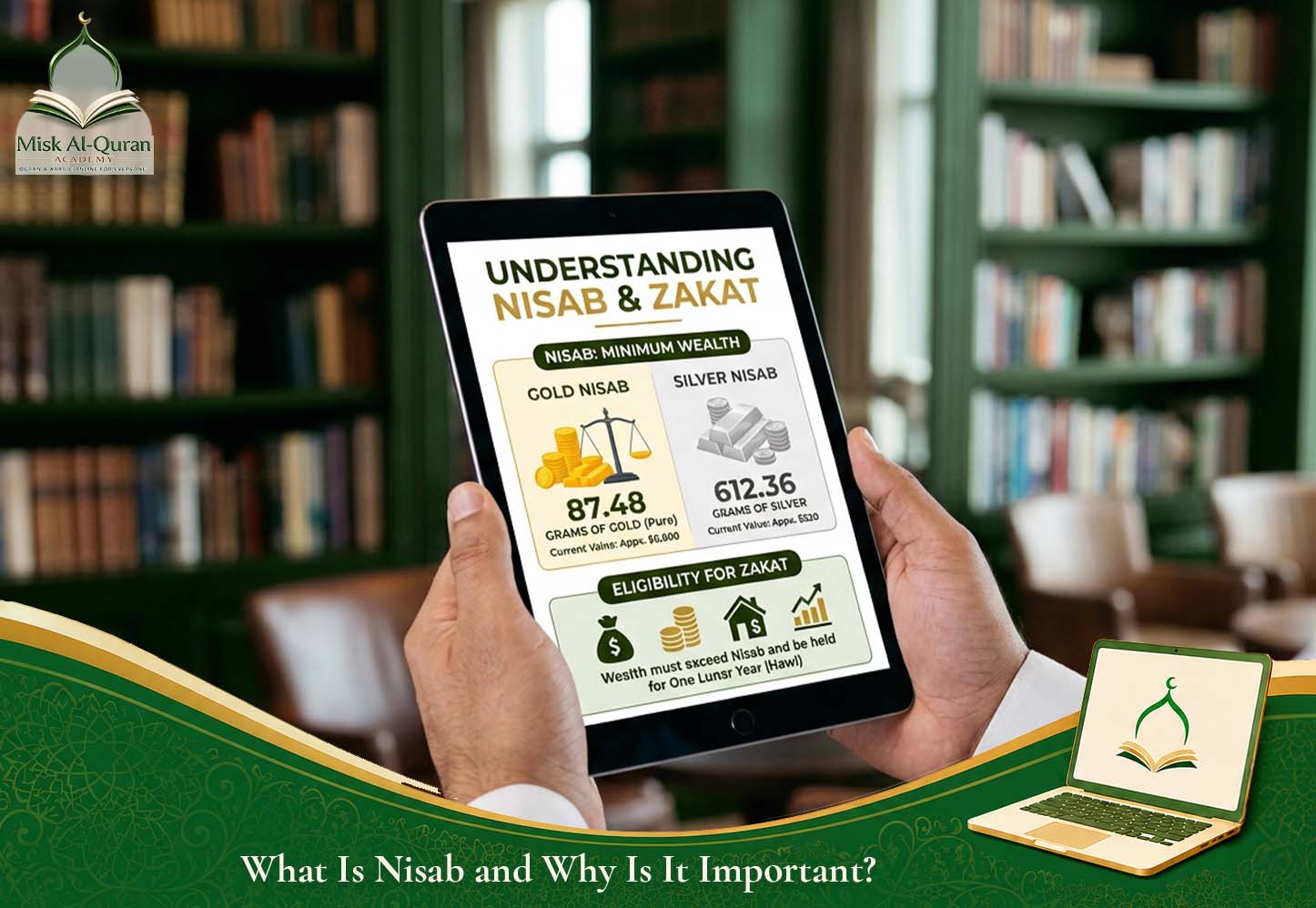
Nisab is the minimum threshold of qualifying wealth that determines whether Zakat may become obligatory. Understanding this concept is essential because Zakat is not automatically required from every Muslim regardless of financial circumstances.
Traditionally, nisab is connected with specified quantities of gold or silver. However, the monetary value of these thresholds changes as market prices change.
Therefore, Muslims calculating Zakat should use an appropriate current nisab value and consider the relevant scholarly guidance for their circumstances. The calculation should not rely on an outdated figure copied from an old article or social media post.
In addition, different types of wealth can have different rules. Cash, savings, investments, business assets, precious metals, and other financial interests may require careful consideration.
Because detailed calculations can become complicated, particularly for people with multiple assets or financial obligations, professional religious guidance can be useful. Similarly, students who plan to memorize the Quran can benefit from understanding that consistent learning requires patience and a realistic schedule. The guide How Long Does It Take to Memorize the quran explains this process in greater detail.
What Is The Third Pillar Of Islam And How Much Is Zakat?
A common question after learning What Is The Third Pillar Of Islam is concerns the amount a Muslim should give. For many forms of qualifying monetary wealth, Muslims commonly calculate Zakat at 2.5% when they meet the relevant conditions.
However, Muslims should not apply this percentage to every asset in the same way.
The type of asset, its purpose, ownership details, applicable deductions, and the time involved can change the calculation. For example, business owners and investors may need detailed guidance, while someone with simple cash savings may have a more straightforward calculation.
Consider a simple example. Suppose a Muslim has £10,000 in qualifying Zakat-able wealth after following the relevant rules. A 2.5% calculation would produce £250.
However, this example only explains the percentage. It does not provide personalized religious or financial advice.
Before paying Zakat, Muslims should check the current nisab value. They should also identify which assets and liabilities they need to include according to the Islamic interpretation they follow.
What Types of Wealth Can Be Subject to Zakat?
Zakat covers more than one type of wealth. Islamic rules may require Muslims to consider several forms of qualifying financial assets.
Examples include:
- Cash and money in bank accounts
- Gold and silver
- Certain investments and shares
- Business inventory and trading assets
- Certain rental-related financial holdings
- Recoverable money that other people owe a person
However, Muslims should not treat every possession as Zakatable wealth. For example, personal belongings that people use for normal living generally differ from assets that people hold for investment or business purposes. A person who lives in their own home does not normally calculate Zakat on that home in the same way as a business owner calculates Zakat on commercial inventory.
Islamic jurisprudence also contains detailed rules for different types of assets. Therefore, students should avoid applying one simple rule to every financial situation.
Learning the general principles provides a useful starting point. After that, Muslims can review their individual circumstances with a qualified Islamic scholar when they need detailed guidance.
What Is The Third Pillar Of Islam And When Is Zakat Paid?
Understanding What Is The Third Pillar Of Islam? Also requires an understanding of Zakat timing. For many types of qualifying wealth, Muslims generally calculate Zakat after a lunar year passes while the person continues to meet the relevant conditions. However, the rules may differ depending on the asset and the school of Islamic jurisprudence a person follows.
Therefore, Muslims do not have to connect Zakat automatically with Ramadan. Many Muslims choose Ramadan because the month encourages worship, generosity, and charitable action. However, if a person’s Zakat date arrives before Ramadan, that person should follow the applicable ruling instead of delaying payment simply to reach Ramadan.
The Islamic calendar follows lunar months, so a Zakat anniversary moves earlier each year when compared with the solar calendar. Muslims can record their Zakat date and use a reminder to plan.A simple financial record can also help a person track qualifying wealth and remember the annual obligation.
Can Zakat Be Paid During Ramadan?
Ramadan encourages charity, generosity, and worship. Consequently, many Muslims choose this month to calculate and distribute Zakat. However, Ramadan does not create one universal Zakat deadline for all Muslims.
If a person’s Zakat date arrives during another part of the Islamic year, that person should not automatically postpone payment until Ramadan. Instead, the person should follow the relevant Islamic ruling.
Many Muslims prefer Ramadan because the spiritual atmosphere encourages generous actions. In addition, charitable organizations often increase their activities during the month, which can give donors more opportunities to support eligible recipients.
Even so, Muslims should base the timing of Zakat on their actual obligation rather than convenience alone.
Students who study Islamic practice should therefore understand the difference between a popular time for Zakat and the specific date that applies to an individual Muslim.
What Is The Third Pillar Of Islam And Where Does Zakat Go?
Understanding What Is The Third Pillar Of Islam? Also involves learning who can receive Zakat. Islamic teachings identify specific recipient categories, so Muslims should follow those guidelines when distributing Zakat.
The Quran identifies eight categories of recipients. They include:
- The poor.
- The needy.
- People who administer Zakat.
- People whose hearts need reconciliation.
- People seeking freedom from bondage.
- People who face qualifying debts.
- People working for recognized causes under relevant Islamic guidelines.
- Stranded travelers who need financial assistance.
Some categories require careful interpretation and application. Therefore, donors should not assume that every charitable project qualifies for Zakat.
This distinction matters when a Muslim chooses an organization for Zakat. Donors should check whether the organization distributes Zakat according to recognized Islamic requirements.
Why Does Zakat Promote Social Responsibility?
Zakat creates a strong connection between personal worship and social responsibility. Muslims who possess qualifying wealth give part of that wealth to people who face financial hardship or meet other recognized conditions.
As a result, Zakat can strengthen relationships within a community. Muslims with greater financial resources become more aware of people who struggle with basic needs.
Zakat can also reduce excessive attachment to money. A person who gives part of their wealth practices discipline, especially when saving and accumulating possessions becomes a major personal goal.
Furthermore, Zakat encourages Muslims to look beyond individual success. Financial resources can improve other people’s lives when Muslims distribute them according to Islamic principles.
This combination of worship and social responsibility explains why Zakat holds such an important place in Islam.
Common Misconceptions About Zakat
Several misconceptions can make Zakat seem more complicated than it really is. Understanding the facts helps students approach the subject with greater confidence.
Zakat Purifies Haram Wealth
Muslims should not use Zakat to turn unlawful wealth into lawful wealth. When a person acquires money through an impermissible method, paying Zakat does not change the nature of that money.
Instead, the person should address the unlawful source according to Islamic guidance. Depending on the circumstances, the appropriate action may involve returning the money to its rightful owner or disposing of it in an appropriate way.
Therefore, Muslims should distinguish between giving Zakat on lawful wealth and dealing with wealth that came from prohibited sources.
Zakat Must Always Be Paid in Ramadan
Many Muslims give Zakat during Ramadan, but Ramadan does not automatically create a Zakat deadline for everyone.
Each Muslim may have a different Zakat anniversary. Consequently, Muslims should determine their own due date instead of assuming that Ramadan always provides the correct payment time.
Zakat Is Only Paid on Gold
Gold represents one type of wealth that may require Zakat when the relevant conditions apply. However, Muslims should also consider other qualifying forms of wealth.
These may include:
- Cash
- Savings
- Certain investments
- Business assets
- Other qualifying financial resources
For that reason, Muslims should review their overall financial situation instead of checking only whether they own gold.
What Is The Third Pillar Of Islam And What Are Its Spiritual Benefits?
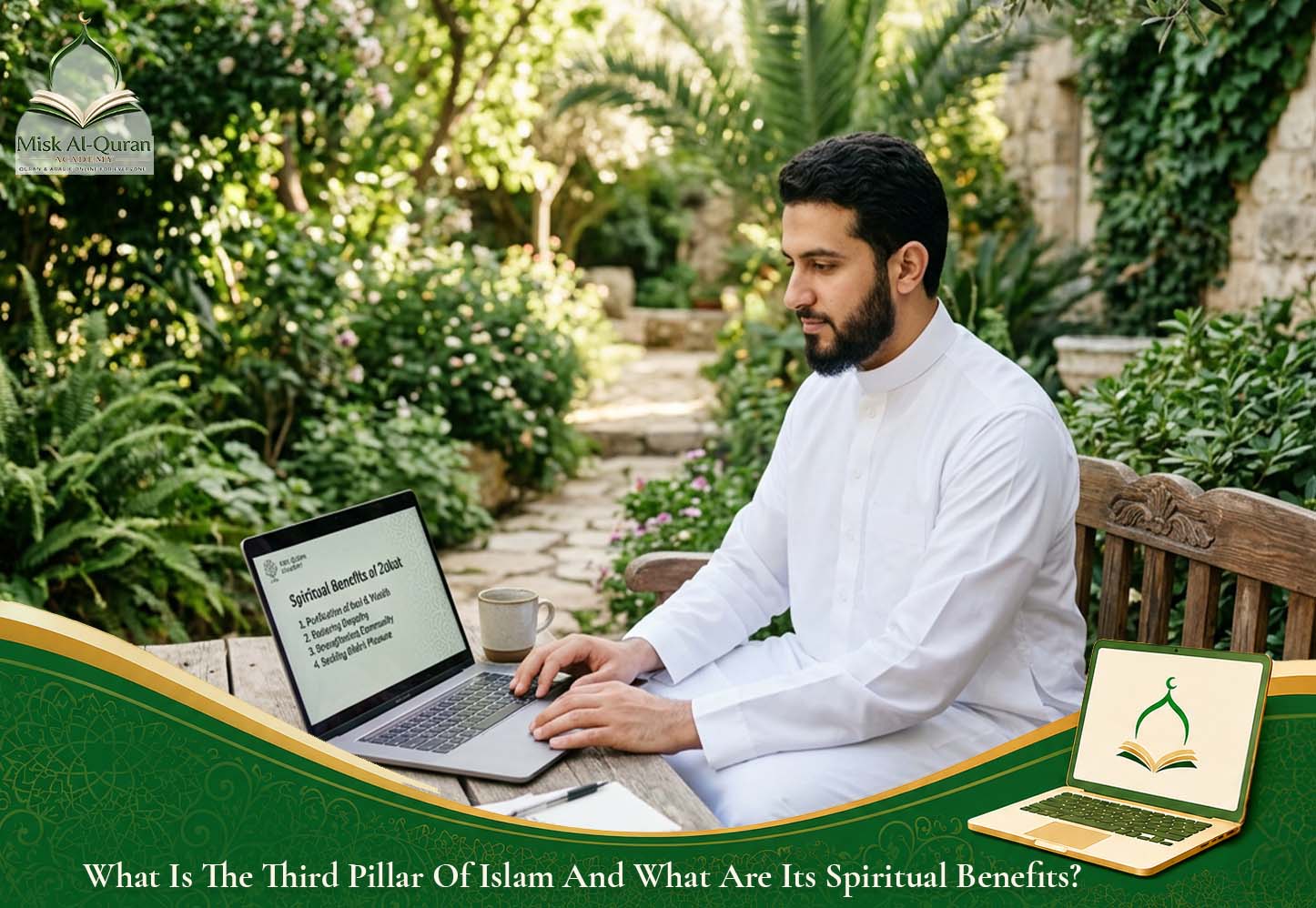
The spiritual meaning of Zakat adds another important dimension to what the third pillar of Islam means. Zakat helps Muslims develop qualities that extend beyond financial generosity. It connects worship with gratitude, humility, compassion, and responsibility.
Zakat encourages Muslims to develop several important values:
- Gratitude for Allah’s blessings
- Awareness of the temporary nature of worldly possessions
- Compassion toward people who face hardship
- Greater self-control over material desires
- Humility during periods of financial success
- Commitment to religious duties
- Awareness of community needs
Zakat can influence both the giver and the recipient.For the giver, Zakat creates an opportunity to practice obedience and generosity. For an eligible recipient, Zakat can provide meaningful financial support during a difficult period.
At the same time, Muslims should give Zakat with a sincere intention. They give it as an act of worship rather than as a way to gain public recognition.
Therefore, the spiritual value of Zakat involves more than the amount a person gives. The Muslim’s intention, obedience, gratitude, and concern for others also contribute to the deeper meaning of this pillar.
How Can Parents Teach Children About Zakat?
Children may first learn about Zakat as one of the five pillars of Islam. However, parents can make the concept easier to understand by connecting it with values children already recognize.
For example, parents can explain that Muslims share part of their qualifying wealth because Islam teaches people to care for others. Simple discussions about gratitude, generosity, and helping people can introduce these principles before children study detailed Zakat calculations.
As children grow older, parents can introduce several important concepts:
- The five pillars of Islam
- The meaning and purpose of Zakat
- The difference between Zakat and Sadaqah
- The meaning of nisab
- The importance of financial responsibility
- The role of sincere intention
Interactive activities can also make these ideas easier for children to remember. Parents can use age-appropriate examples, stories, and practical discussions to show how generosity affects real communities.
In addition, structured Islamic education can give children opportunities to ask questions and receive clear explanations. Misk Online Quran Academy can support families who want organized Quran and Islamic learning for their children.
What Is The Third Pillar Of Islam And How Can Students Learn It?
Students searching for ” What Is The Third Pillar Of Islam? often need a straightforward explanation before they explore detailed Islamic rulings.
A step-by-step learning plan can help students understand the subject more effectively:
- Learn the five pillars of Islam.
- Identify Zakat as the third pillar.
- Understand why eligible Muslims must pay Zakat.
- Learn the basic meaning of nisab.
- Distinguish Zakat from voluntary charity.
- Study the recognized categories of Zakat recipients.
- Review common misconceptions.
- Ask qualified teachers about complex situations.
This approach helps students build their knowledge gradually. Instead of overwhelming themselves with financial details, learners can first understand the central principles and then move toward more advanced topics.
Moreover, questions and practical examples can make Islamic concepts easier to remember. Students can connect each principle with situations that Muslims may encounter in everyday life.
At Misk Online Quran Academy, students can develop their Islamic knowledge through organized lessons while strengthening their connection with the Quran.
Why Choose Misk Online Quran Academy for Islamic Learning?
Understanding Zakat represents only one part of a broader Islamic education. Students may also want to improve their Quran reading, memorization, Tajweed, and general Islamic knowledge.
Misk Online Quran Academy provides an online learning environment for students who prefer to study from home. This format can help families arrange lessons around school schedules, work commitments, and daily responsibilities.
A regular learning routine can also help children develop consistency. Instead of treating religious education as an occasional activity, families can make learning part of the child’s weekly schedule.
Furthermore, qualified teachers can explain unfamiliar concepts, answer students’ questions, and correct misunderstandings during lessons. Direct interaction can make difficult subjects easier to understand than independent study alone.
For families seeking flexible Quran education, Misk Online Quran Academy connects structured learning with the convenience of online classes. Students can therefore continue developing their Quran skills while expanding their understanding of important Islamic principles.
What Is The Third Pillar Of Islam? A Simple Summary
So, What Is The Third Pillar Of Islam? The answer is Zakat, an obligatory act through which eligible Muslims give a prescribed portion of qualifying wealth to people who meet the requirements for receiving it.
Zakat forms one of the five pillars of Islam and combines worship with social responsibility. It teaches Muslims that wealth carries responsibilities rather than serving only personal interests.
For many forms of qualifying monetary wealth, Muslims commonly calculate Zakat at a rate of 2.5%. However, individual calculations can vary because different assets and financial circumstances may require different considerations.
Muslims should also distinguish Zakat from Sadaqah. Sadaqah generally refers to voluntary charity, whereas Zakat becomes obligatory when a Muslim meets the relevant conditions.
Most importantly, Muslims should approach Zakat with sincerity, accuracy, and awareness of its religious purpose. When a financial situation involves multiple assets or complicated circumstances, a qualified Islamic scholar can explain the appropriate calculation and ruling.
How Can Zakat Strengthen the Muslim Community?
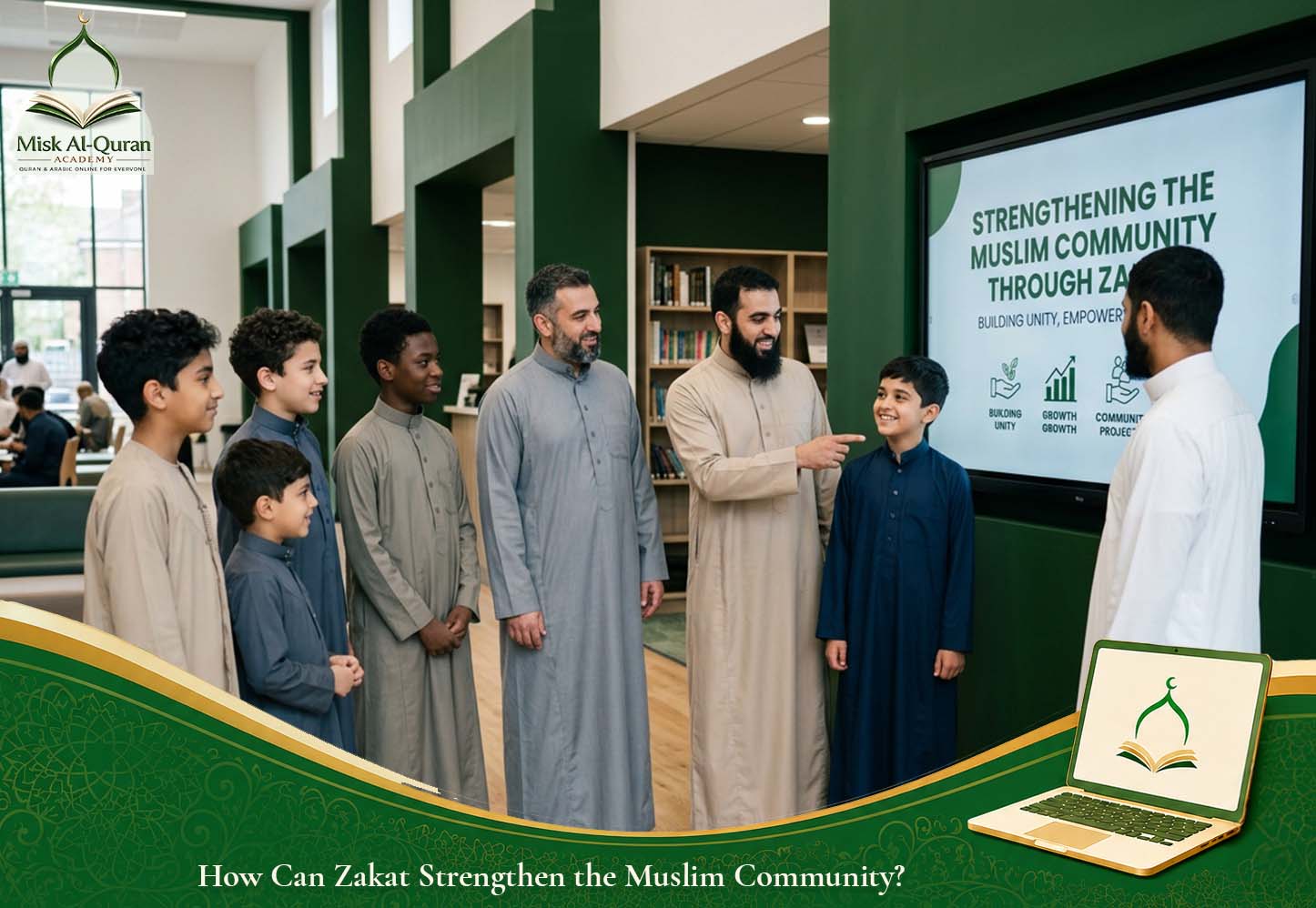
Zakat can strengthen communities by directing financial resources toward people who experience genuine hardship or meet other recognized eligibility requirements.
Rather than treating assistance as an occasional personal favor, Islam places charitable responsibility within a broader religious framework. Consequently, Muslims with qualifying wealth can remain more aware of the financial needs around them.
Responsible distribution also matters. Donors should choose appropriate recipients and follow recognized Islamic guidelines when they distribute Zakat. At the same time, recipients deserve support that respects their dignity and avoids unnecessary embarrassment.
The social impact of Zakat can extend beyond immediate financial assistance. A timely contribution may help a person manage essential expenses, reduce financial pressure, or regain greater stability.
Furthermore, Zakat reminds prosperous Muslims that financial success carries responsibility. This principle encourages compassion while creating stronger connections between different members of society.
For this reason, Zakat represents more than an annual financial calculation. It teaches Muslims to combine worship with compassion, accountability, and responsible use of wealth.
Frequently Asked Questions About What Is The Third Pillar Of Islam?
This section answers common questions about What Is The Third Pillar Of Islam, including its meaning, importance, and role in a Muslim’s daily life.
1. Can a person give Zakat on behalf of someone else?
Yes, a person may pay Zakat on behalf of another person when the relevant conditions and authorization are satisfied. However, because responsibility and intention can matter, the exact situation should be checked with a qualified Islamic scholar.
2. Does a person need to tell the recipient that money is Zakat?
It is not generally necessary to announce to an eligible recipient that the money is specifically Zakat. In fact, keeping the act private can help protect the recipient’s dignity and the giver’s sincerity.
3. Can Zakat be given to relatives?
In some circumstances, eligible relatives can receive Zakat. However, there are important exceptions and details, particularly regarding people whose financial support is already an obligation upon the giver. Therefore, the relationship and circumstances should be considered carefully.
4. What should someone do if they are unsure about a previous Zakat payment?
A person who believes they may have underpaid or incorrectly calculated Zakat should review their records and seek guidance from a qualified scholar. The appropriate solution depends on why the previous calculation may have been incorrect and which assets were involved.
In conclusion, ultimately, What Is The Third Pillar Of Islam? has a clear answer, but the meaning of Zakat goes much deeper than its name. Zakat represents the third pillar of Islam and an essential act of worship for Muslims who meet its conditions.
It teaches obedience while encouraging generosity, humility, gratitude, and social responsibility. Additionally, Zakat reminds Muslims that financial resources remain temporary blessings and that qualifying wealth carries religious responsibilities.
Understanding Zakat also requires Muslims to avoid several common misconceptions. Zakat does not function as an optional donation, nor does Ramadan serve as everyone’s automatic Zakat deadline. Likewise, Muslims should not assume that only gold requires consideration.
Instead, Muslims should evaluate qualifying wealth according to established Islamic principles. Different financial circumstances can require different calculations, so detailed cases may require guidance from a qualified scholar.
For students, gradual learning can make these concepts easier to understand and apply. Families can also strengthen this knowledge through Quran and Islamic studies at Misk Online Quran Academy, where students can develop their religious knowledge through consistent learning.
Whether a student has just discovered the five pillars or wants to explore Islamic financial responsibilities in greater depth, studying Zakat provides valuable insight into the relationship between worship, wealth, and compassion.
Learning What Is The Third Pillar Of Islam? Ultimately means understanding more than a definition. It means recognizing how Zakat connects personal faith with responsibility toward others and encourages Muslims to use their blessings with greater awareness and generosity.