How to prepare for Ramadan with the Quran is a question many Muslims begin asking as Ramadan approaches. Understanding how to prepare for Ramadan with the Quran can help you enter this blessed month with a clearer spiritual goal. Preparing for Ramadan is not limited to adjusting sleeping hours, planning meals, or organizing daily responsibilities. While these practical steps can make fasting easier, true preparation begins with the heart and with a sincere desire to strengthen our connection with Allah through His Book.
The Quran has a unique place in Ramadan because it is the month in which the Quran was revealed as guidance for humanity. Allah says, “The month of Ramadan [is that] in which was revealed the Quran, a guidance for the people and clear proofs of guidance and criterion” (Quran 2:185). Therefore, learning how to prepare for Ramadan with the Quran should include preparing ourselves to read, understand, listen to, reflect upon, and live according to the Quran.
Why Preparation Matters for Ramadan?

Ramadan is a limited opportunity that passes quickly. A person who waits until the first day to decide how much Quran to read may spend valuable days trying to establish a routine instead of benefiting from it. Understanding how to prepare for Ramadan with Quran before the month begins can help you use this valuable time more effectively.
A better approach is to use the period before Ramadan to build habits gradually. This can include increasing daily recitation, improving Quran reading, reviewing previously memorized surahs, and setting aside time for reflection.
When your routine already exists before Ramadan begins, increasing your worship becomes more manageable. You are not starting from zero; instead, you are continuing something you have already practiced.
This preparation can also help you identify obstacles before Ramadan. Perhaps you discover that your chosen reading time is unrealistic, your daily target is too high, or your schedule contains distractions that prevent concentration. Addressing these problems early gives you time to make adjustments.
Start Your Quran Learning Journey with Misk Online Quran Academy
Begin your Quran learning journey with Misk Online Quran Academy, where students of all ages benefit from structured online Quran classes tailored to their individual level and learning needs.
Whether your goal is to improve Quran recitation, master Tajweed rules, or begin memorizing the Holy Quran, our experienced and qualified teachers provide clear step-by-step guidance through personalized one-to-one lessons. Each session is designed to help learners understand, practice, and improve with confidence and consistency.
With flexible scheduling, interactive teaching methods, and a supportive online environment, Misk Online Quran Academy makes it easier to stay committed and motivated. Students can learn comfortably from home while making steady progress in their Quran studies at their own pace.

Reflect on the Purpose of Ramadan and Quran Preparation
Before creating a Quran schedule, take time to think about what you hope to gain from Ramadan. The purpose of fasting is connected to developing taqwa, or greater awareness and consciousness of Allah. Allah says:
“O you who have believed, decreed upon you is fasting as it was decreed upon those before you that you may become righteous.” (Quran 2:183)
This verse reminds us that Ramadan is about more than abstaining from food and drink. It is an opportunity to improve our relationship with Allah, control harmful desires, strengthen our character, and become more conscious of our actions.
The Quran supports this transformation by guiding the believer toward faith, patience, gratitude, repentance, and righteous action. For this reason, preparing for Ramadan with the Quran should not focus only on completing a certain number of pages. It should also involve asking how the Quran can influence the way we think and behave. Before Ramadan arrives, consider asking yourself:
- What do I want to improve in my relationship with the Quran?
- Do I want to read more, understand more, or reflect more deeply?
- Which Quran habits have I struggled to maintain?
- What distractions usually prevent me from concentrating?
- How can I make my Quran time more consistent?
Honest answers can help you create a preparation plan that fits your actual circumstances. Before performing Salah, learners need to know how to make Wudu correctly and understand the basic sequence of purification.
Make a Sincere Intention for Ramadan Quran Preparation
A sincere intention gives your preparation direction. Instead of approaching Ramadan with a vague goal such as “I want to do more worship,” establish a clear intention to make meaningful use of the month.
Your intention can include several goals, such as improving your Quran reading, increasing reflection, maintaining the obligatory prayers, making more dua, or leaving habits that distract you from worship.
It is also helpful to remind yourself that consistency matters more than creating an unrealistic routine. A person who chooses a manageable Quran habit and maintains it may benefit more than someone who creates an ambitious schedule and abandons it after several days.
Write down what you hope to accomplish before Ramadan. Keep the goals realistic and specific. For example, instead of simply writing “read more Quran,” decide when you will read and what type of progress you want to make. A clear intention can become a source of motivation when the initial excitement of Ramadan decreases.
Strengthen Your Quran Routine Before Ramadan
One of the most practical ways to prepare is to increase your Quran involvement gradually. If you currently read only occasionally, do not suddenly create a demanding schedule that you cannot maintain. Start with a realistic amount and build from there. For example, you could:
- Set a fixed daily Quran reading time.
- Read a small portion after one of the daily prayers.
- Listen to recitation while completing appropriate daily tasks.
- Review short surahs that you already know.
- Read the translation of selected verses.
- Choose a quiet place for focused Quran study.
- Keep a notebook for meaningful reflections.
The purpose of this stage is to make Quran engagement familiar before Ramadan begins. Once the habit becomes part of your normal day, it can be easier to increase it during the month.Learners with a clear memorization goal may benefit from understanding the advantages of taking an online Quran memorization course and how structured lessons can support regular practice.
Use Sha’ban as a Training Period for Ramadan
The month before Ramadan provides a valuable opportunity to prepare spiritually and practically. Rather than viewing the days before Ramadan as unrelated to the upcoming month, use them as a training period.
This does not mean attempting to live at the exact intensity you hope to reach during Ramadan. Instead, gradually introduce habits that you want to maintain. You might begin by reducing unnecessary screen time, improving your prayer routine, increasing Quran recitation, or making more frequent istighfar and dua.
Preparing early also allows you to discover what works best for your schedule. When reading at night leaves you too tired, try moving your Quran session to another time. A large daily target may also create unnecessary pressure, so consider reducing it and focusing on consistency instead. For better concentration, choose a quieter environment and limit distractions. The goal is to enter Ramadan with a Quran routine that has already been tested and adjusted to your needs.
Prepare Your Heart for Ramadan with the Quran
Spiritual preparation is just as important as scheduling. A person can have a detailed Quran plan but still struggle to benefit from it if the heart is distracted by unresolved problems, excessive attachment to worldly entertainment, or persistent sinful habits.
Before Ramadan, make time for sincere repentance and self-reflection. Think about behaviors you want to leave behind and qualities you want to develop. Repentance is not simply about feeling regret. It should encourage a genuine effort to change. Ask Allah for forgiveness and seek His help in becoming better.
You can also prepare your heart by practicing gratitude. Reaching Ramadan with good health and the ability to worship is itself a blessing. Recognizing that blessing can change the way you approach the month.
Instead of thinking, “I have to complete my Quran goal,” you begin thinking, “Allah has given me another opportunity to spend time with His Book.” That shift in perspective can make worship feel more meaningful.
Learn to Read the Quran with Reflection
Reading more Quran is valuable, but Ramadan can become even more meaningful when recitation is accompanied by reflection. Tadabbur means considering the meanings and lessons of the Quran.
You do not need to understand every scholarly detail before beginning. Start by slowing down and thinking about the verses you already read. After completing a passage, consider questions such as:
- What is Allah teaching me through these verses?
- Is there a behavior I need to change?
- Is there a blessing I should appreciate?
- Is there a warning I should take seriously?
- What does this passage teach me about faith and character?
- How can I apply one lesson to my daily life?
This approach prevents Quran reading from becoming merely a race to reach a page target. Having access to Online Quran Teachers – Learning The Quran Made Easy can give learners regular guidance while they work on reading, memorization, and recitation.
Create a Realistic Ramadan Quran Plan
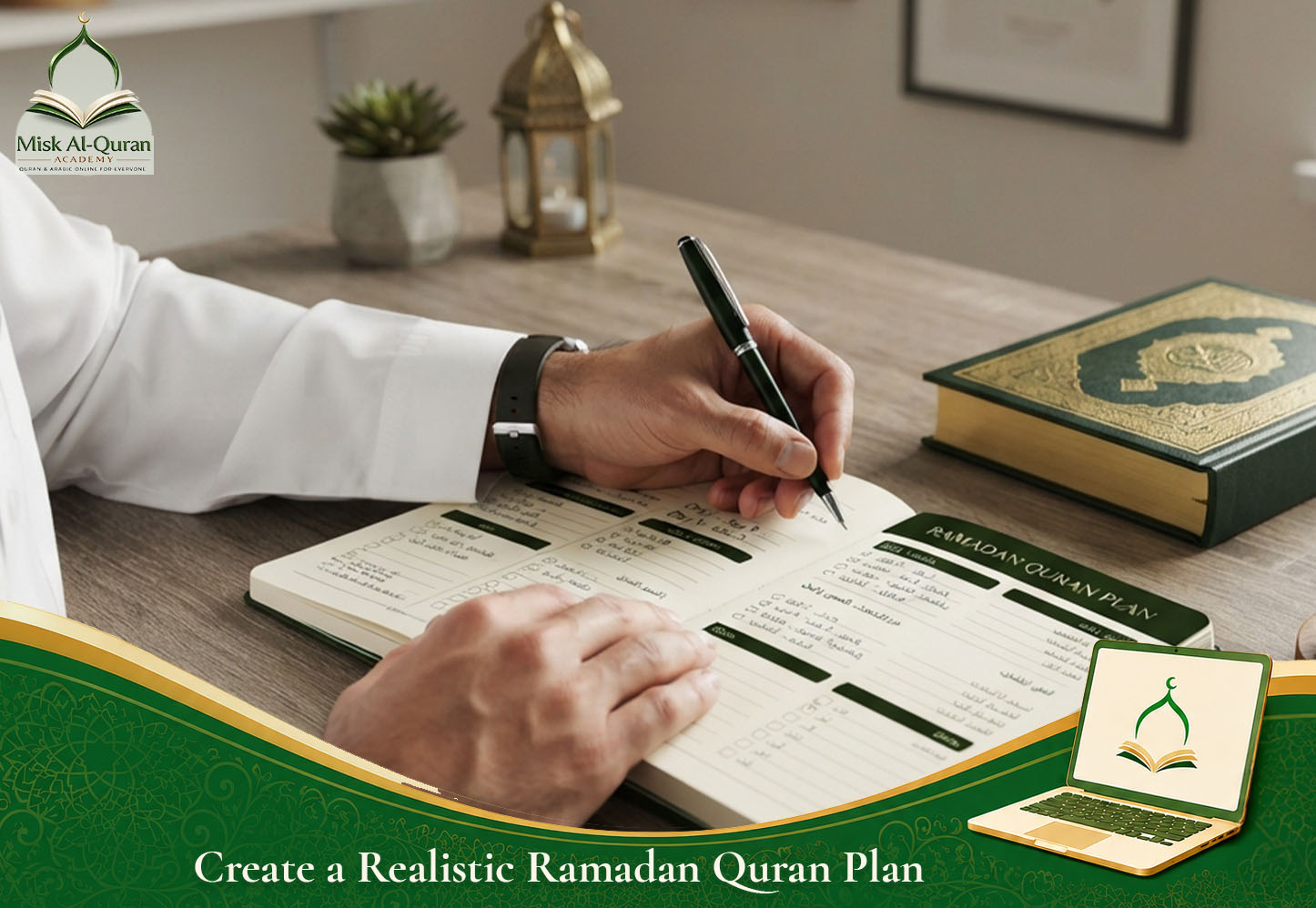
A useful plan should fit your responsibilities rather than ignore them. Students, parents, employees, and people with demanding schedules may have very different amounts of available time.
Therefore, do not copy another person’s routine without considering your own circumstances. Divide your Quran goals into manageable sessions. For example, instead of reserving one large block of time, you may prefer several shorter periods throughout the day. A practical plan might include:
1. Morning: A short focused reading session.
2. During the day: Listening to the Quran or reviewing memorized passages when appropriate.
3. After a prayer: Another short recitation session.
4. Evening: Reading with translation or reflecting on selected verses.
5. Before sleep: Reviewing a small portion or listening to recitation.
The exact schedule is less important than creating a routine that you can realistically maintain. Parents may also explore the benefits of taking online Quran classes for kids when deciding whether online learning suits their children’s needs.
Balance Quran Recitation, Understanding, and Revision
When planning your Quran goals, remember that Quran engagement has more than one dimension. You may want to include:
- Recitation: Reading directly from the Mushaf.
- Listening: Hearing accurate recitation to improve familiarity and pronunciation.
- Understanding: Reading a reliable translation or explanation.
- Reflection: Thinking about the meaning and personal lessons.
- Revision: Reviewing portions you have already memorized.
- Application: Turning Quranic guidance into practical behavior.
This balanced approach can make your Ramadan experience richer. Completing a large number of pages can be a worthwhile goal, but it should not be the only measure of progress.
Improve Your Quran Reading Before Ramadan
If you struggle with pronunciation or basic Quran reading skills, the weeks before Ramadan are an excellent time to address them.
Trying to learn fundamental reading rules while simultaneously managing an intensive Ramadan schedule can feel overwhelming. Beginning earlier gives you time to identify mistakes and work on them gradually. Consider reviewing areas such as:
- Correct pronunciation of Arabic letters.
- Basic Tajweed rules.
- Common reading mistakes.
- Stopping and starting correctly.
- Proper pronunciation of difficult words.
- Fluency and confidence while reading.
If you are unsure about your reading level, studying with a qualified Quran teacher can provide useful guidance. Personalized feedback can help identify mistakes that may be difficult to notice when studying alone.
For learners who prefer structured online instruction, Misk Online Quran Academy can be considered as part of a broader Ramadan preparation routine, particularly when a student wants consistent guidance and accountability.
Reduce Distractions Before Ramadan
One reason people struggle to maintain Quran routines is not always a lack of time. Sometimes the problem is how available time is being used. Social media, entertainment, unnecessary notifications, and excessive phone use can consume small portions of the day that eventually add up. Rather than waiting until Ramadan to fight these distractions, start reducing them beforehand. Try:
- Turning off unnecessary notifications.
- Establishing phone-free Quran sessions.
- Limiting recreational screen time.
- Keeping the phone away while reading.
- Choosing a quiet location for study.
- Avoiding unnecessary multitasking during Quran time.
You do not have to eliminate every form of entertainment. The goal is to create enough space for worship without making your preparation unnecessarily stressful.
Prepare Emotionally for the Ebbs and Flows of Iman
Many people enter Ramadan with high motivation. They may feel excited during the first few days and establish ambitious worship routines. However, motivation naturally changes over time. Understanding this before Ramadan can help you avoid disappointment.
A temporary decrease in enthusiasm does not necessarily mean that your Ramadan has failed. What matters is learning how to continue worship when the initial excitement becomes weaker. This is why a sustainable routine is so important.
Instead of relying entirely on motivation, create habits that can continue even on difficult days. A smaller Quran session that you consistently complete may be more sustainable than a demanding routine that depends on feeling highly motivated every day.
Learn the Fiqh of Fasting Before Ramadan
Preparing for Ramadan also includes learning the basic rulings related to fasting. Understanding what is required, what invalidates the fast, and how common situations should be handled can prevent unnecessary confusion.
Worship should be performed with knowledge. If you have questions about fasting or other acts of worship, consult reliable scholars or trusted Islamic educational resources.
Learning before Ramadan is particularly useful because it gives you time to understand the answers rather than trying to resolve every question while managing the pressures of the month.
This knowledge also supports a deeper understanding of why Ramadan is structured as it is and helps the believer approach worship with greater confidence.
Welcome Ramadan with Gratitude
Reaching Ramadan is a blessing. Some people spend the months waiting for another opportunity to worship, while others may not live to see the next Ramadan. For that reason, gratitude should be part of your preparation.
You can express gratitude by using the opportunity well. Instead of viewing Ramadan only as a month of restrictions, recognize it as a period filled with opportunities for prayer, Quran, charity, repentance, remembrance, and personal growth.
This attitude can influence how you respond to difficult moments during fasting. Hunger, tiredness, or changes in routine become part of a larger spiritual purpose rather than the entire focus of the experience.
Make Time for Dua Before Ramadan
Dua should not be postponed until Ramadan begins. Use the period before the month to ask Allah to allow you to reach Ramadan and benefit from it. You can ask Allah for:
- Sincerity in worship.
- Strength to remain consistent.
- Better understanding of the Quran.
- Forgiveness for past shortcomings.
- Protection from distractions.
- Acceptance of your good deeds.
- The ability to make positive changes that continue after Ramadan.
Dua also reminds the believer that success does not depend solely on personal discipline. We make an effort, but we ultimately seek Allah’s help and guidance.
Increase Quran Time Gradually
When people think about how to prepare for Ramadan with Quran, they may immediately focus on completing the Quran a certain number of times. However, the first objective should be establishing a relationship with the Quran that is realistic and meaningful.
If your current reading habit is limited, gradually increase it. Add a few minutes, another page, or another short session. Once that becomes comfortable, continue building. This gradual method can make the transition into Ramadan smoother.
It is also useful to distinguish between your minimum and ideal targets. Your minimum target is what you can maintain even on a difficult day. Your ideal target is what you hope to achieve when you have more time and energy. This prevents one difficult day from causing your entire plan to collapse.
Include Family in Your Ramadan Quran Preparation
Ramadan preparation does not have to be an individual project. Families can create a positive Quran environment together. Parents can establish family reading sessions, children can listen to age-appropriate recitations, and family members can encourage one another without turning worship into competition.
Understanding the benefits of listening to quran can motivate families to include regular recitation in their daily Ramadan routine and create a peaceful atmosphere at home.
A simple family routine might involve reading a short passage together and discussing one lesson from it. This can make the Quran part of everyday family life rather than something reserved for individual study. However, avoid creating pressure. Different family members have different abilities, ages, and responsibilities. Encouragement is usually more beneficial than comparison.
Use Technology Wisely for Quran Preparation
Digital Quran resources can make preparation easier when used intentionally. Online Quran platforms can provide access to translations, recitations, search tools, and educational resources. Many learners also explore the Benefits of Online Quran Learning because digital classes provide flexibility, structured lessons, and access to qualified instructors from different locations.
One example is Quran.com, which offers tools for reading, listening, searching, and exploring the meanings of the Quran.
Technology, however, should serve your Quran routine rather than become another source of distraction. If you use a phone or tablet for Quran reading, consider enabling a focused environment and removing unnecessary notifications during your study session.
Seek Guidance for Your Ramadan Quran Routine
Self-study can be useful, but some learners need direct feedback to improve their reading, Tajweed, memorization, or understanding.
A qualified teacher can help you identify weaknesses, establish appropriate goals, and maintain accountability. This can be particularly useful before Ramadan because you have time to work on your weaknesses before the month becomes busy.
Many students choose online Quran teachers because they can receive personalized guidance, improve their recitation, and follow a learning plan that matches their level. Misk Online Quran Academy can be incorporated into a preparation strategy for learners who prefer online Quran education and structured support.
A consistent learning environment can make it easier to turn preparation into an ongoing habit rather than a short-lived burst of motivation.
Prepare Your Quran Routine for the Last Ten Nights
The final ten nights of Ramadan are especially important, so avoid letting your energy run out before reaching them. If your entire Ramadan routine is extremely demanding from the first night, you may struggle to maintain it later. A balanced approach can help preserve energy for the final part of the month.
Before Ramadan, think about how you will protect time for additional worship during the last ten nights. Consider your work, family responsibilities, sleep, and other commitments in advance. The goal is not simply to survive the first twenty days. It is to build toward the most valuable part of the month.
Make Ramadan About Quran Transformation, Not Completion
One of the most important principles for preparing for Ramadan with the Quran is remembering that completion is not the same as transformation. Finishing a reading target can be an excellent achievement, but ask what happens after you close the Mushaf.
- Has the Quran changed your patience?
- Has it improved your speech?
- Has it encouraged you to forgive?
- Has it strengthened your relationship with Allah?
- Has it helped you recognize blessings?
- Has it influenced the decisions you make?
These questions move Quran engagement beyond quantity and toward meaningful personal change.
Continue Your Quran Routine After Ramadan
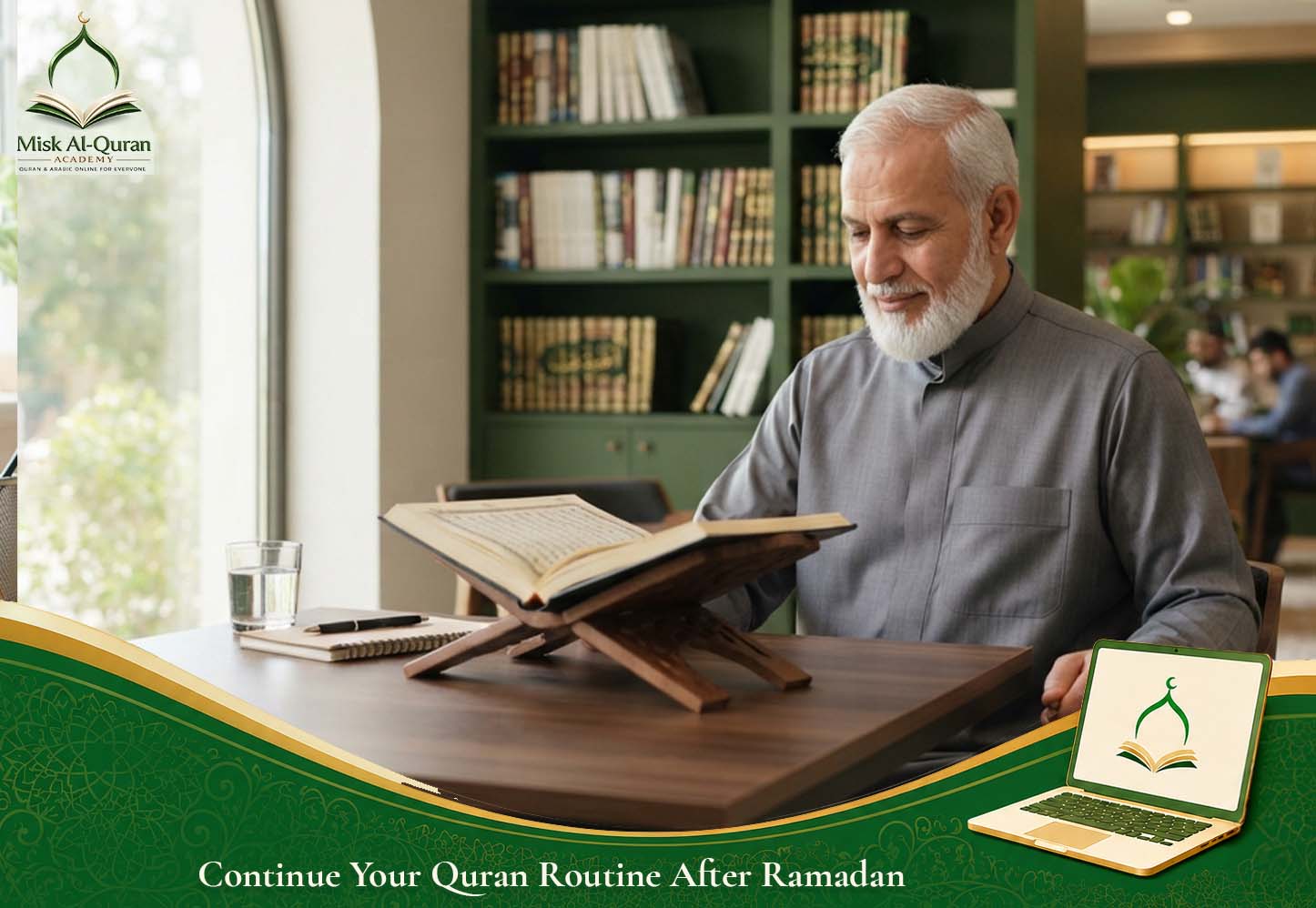
Preparation should not end when Eid arrives. Ideally, Ramadan should help you establish habits that continue throughout the rest of the year. Do not create a routine so demanding that it can only exist during Ramadan. Instead, develop habits that can be reduced after the month while remaining sustainable.
For example, if you establish daily Quran reading during Ramadan, maintain a smaller daily portion afterward. If you begin studying meanings, continue with a few verses regularly. If you improve your Tajweed, keep practicing. This approach turns Ramadan from an isolated spiritual season into a starting point for long-term Quran growth.
For families who want continued support after Ramadan, choosing a reliable online Quran academy UK can provide access to structured courses and qualified teachers. Parents who are concerned about their children’s online safety may also ask: Is online quran learning safe for kids? The answer depends on selecting trusted platforms, qualified teachers, and maintaining appropriate parental guidance.
A Simple Quran Preparation Checklist for Ramadan
As Ramadan approaches, review your Quran preparation with this simple checklist to stay organized, focused, and spiritually ready.
- Set a realistic Quran goal.
- Establish a daily reading time.
- Begin increasing your recitation gradually.
- Review basic Tajweed if needed.
- Identify distractions and reduce them.
- Read Quran meanings regularly.
- Make time for reflection.
- Review previously memorized passages.
- Learn the basic rulings of fasting.
- Make sincere repentance.
- Increase dua and istighfar.
- Prepare your family schedule.
- Plan how you will protect time during the last ten nights.
- Choose an accountability method that works for you.
- Ask Allah to help you benefit from Ramadan.
The purpose of this checklist is not to create pressure. It is simply a way to enter Ramadan with greater awareness and preparation.
Frequently Asked Questions About How to Prepare for Ramadan with the Quran
Preparing for Ramadan with the Quran often raises practical questions about reading goals, understanding, consistency, and maintaining a meaningful Quran routine throughout the month.
Should I Finish Reading the Entire Quran Before Ramadan Starts?
No. The goal before Ramadan is not necessarily to complete the Quran. It is more useful to establish a sustainable reading habit and prepare yourself for increased engagement with the Quran during the month.
What If I Cannot Understand Arabic Well Enough to Reflect on the Quran?
You can use a reliable translation in a language you understand and consult trustworthy explanations of difficult passages. Understanding even a small portion thoughtfully can make your reading more meaningful.
Is It Better to Read the Quran Quickly or Slowly During Ramadan?
The appropriate pace depends on your goals and ability. Try to maintain accurate recitation while allowing enough time for understanding and reflection. A balanced approach is often more beneficial than focusing exclusively on speed.
How Can I Stay Motivated With My Ramadan Quran Routine?
Do not depend entirely on motivation. Create a manageable routine, reduce distractions, track your progress, and remember why you began. On difficult days, maintain a smaller version of your routine instead of abandoning it completely.
In conclusion, learning how to prepare for Ramadan with quran begins with understanding that Ramadan is not simply a month of changing eating habits. It is an opportunity to renew our relationship with Allah and to reconnect with the Quran, which was revealed as guidance.
Start before Ramadan rather than waiting for the first day. Strengthen your reading habit, improve your recitation, make time for reflection, reduce distractions, learn what you need to know, and prepare your heart through repentance and sincere intention.
Most importantly, keep your goals realistic. You do not need a perfect schedule to benefit from Ramadan. You need sincerity, consistency, and a willingness to keep returning to Allah when you fall short.
With thoughtful preparation, the Quran can become more than something you read during Ramadan. It can become a source of guidance that shapes your worship, character, decisions, and relationship with Allah throughout the year.