What do we learn from the Quran? At Misk Online Quran Academy, many learners and seekers often begin their journey by asking this fundamental question. It goes beyond curiosity about a sacred text; it reflects a deep desire to understand how divine guidance can shape daily life, behavior, and purpose. For learners who want to go further, take a look at our learning Quran online.
The Quran is not only a book of recitation, but a complete way of life. It teaches beliefs, morals, values, and practical principles that guide a person in every situation. Through its verses, a believer learns how to connect with Allah, develop strong character, practice justice, show mercy, and build balanced relationships with others.
It also provides guidance for handling challenges with patience and hope while staying committed to truth and integrity. Ultimately, the Quran helps shape a meaningful life filled with clarity, peace, and spiritual direction.
What Do We Learn From the Quran and Why It Matters
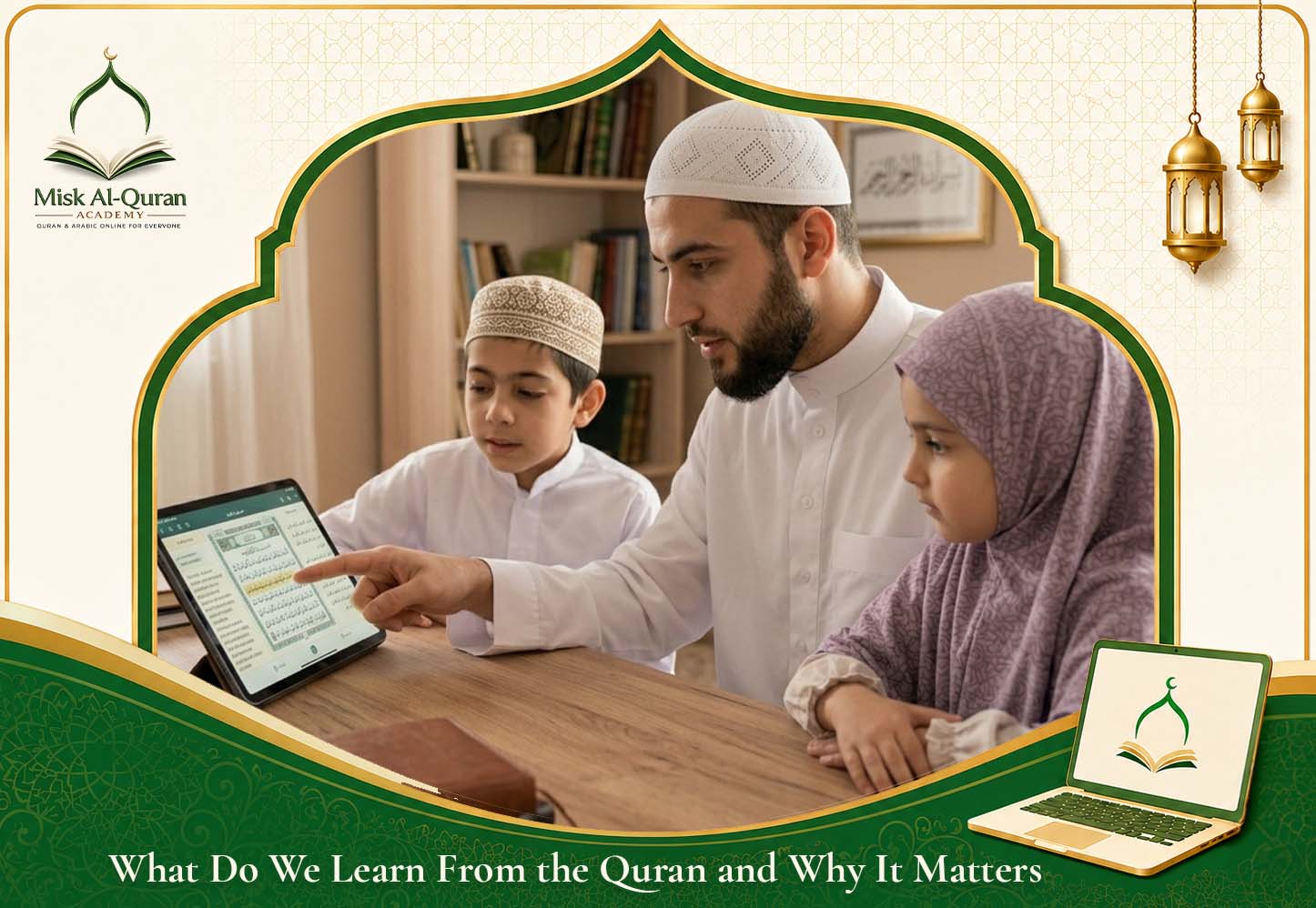
At Misk Online Quran Academy, understanding the Quran goes far beyond reading its words. When people ask, What Do We Learn From The Quran?, they are often searching for guidance that touches real life, not just theory. In reality, the Quran provides a complete framework for living with purpose, balance, and clarity.
At its core, the Quran speaks directly to the human experience. It addresses emotions, relationships, decisions, and struggles. Therefore, it is not limited to spiritual rituals; instead, it shapes how to recite the Quran a person thinks, feels, and behaves every day. Learning it is not only about recitation, but about transformation.
It builds inner awareness, strengthens moral values, and guides believers toward better choices in daily life. Through consistent reflection and practice, the Quran becomes a living guide that influences character, actions, and mindset, leading to a more meaningful and balanced way of living with faith and purpose.
Start Your Quran Learning Journey with Misk Online Quran Academy
Ready to deepen your understanding of the Quran and apply its teachings in your daily life? At Misk Online Quran Academy, we provide structured Quran courses designed to help students of all ages learn, understand, and live by the guidance of the Holy Quran.
Whether you are a beginner seeking a strong foundation or an advanced learner aiming to strengthen your knowledge, our qualified teachers are here to support your journey every step of the way. Join Misk Online Quran Academy today and start building a stronger connection with Allah through authentic Quranic learning in a flexible and supportive online environment.

Building a Personal Relationship with Allah
One of the most important lessons in the Quran is establishing a direct and personal connection with Allah. Islam emphasizes that there are no barriers between the Creator and His servants. This relationship is built through consistent awareness and communication, such as:
- Daily prayer that strengthens mindfulness
- Supplication (dua) during both ease and hardship
- Trust in Allah’s wisdom even when outcomes are unclear
Because of this connection, worship becomes more than ritual. It becomes emotional support, inner stability, and a constant source of peace. A believer learns that no worry is too small, and no request is too insignificant.
As a result, the heart becomes calmer, and life feels more manageable even during difficulties. Learn how to make Wudu correctly by following the essential steps of Islamic purification before prayer.
Living with Justice and Integrity
The Quran places strong emphasis on justice, but it is not limited to courts or legal systems. Instead, it begins with the individual. Justice in daily life includes:
- Being fair even when it is difficult
- Speaking the truth regardless of personal loss
- Avoiding favoritism in judgment or treatment of others
This creates a strong moral compass. When individuals commit to fairness, society becomes more stable and trustworthy.
Integrity also means aligning actions with beliefs. A person cannot claim faith while behaving dishonestly. Therefore, the Quran builds consistency between inner values and outward behavior.
Handling Emotions with Wisdom
Human life naturally includes emotional ups and downs. The Quran does not ignore this reality; instead, it guides how to manage it wisely. It teaches that:
- Sadness and fear are normal human emotions
- Hardship is temporary and carries hidden wisdom
- Hope should never be abandoned, regardless of circumstances
The stories of prophets reinforce this idea. Many prophets experienced rejection, loss, and emotional pain, yet they remained strong in faith. This shows that struggle is not weakness—it is part of growth.
As a result, believers learn emotional resilience. They do not suppress feelings, but they also do not allow emotions to control their decisions.
The Power of Words and Communication
Words have a powerful impact on relationships, and the Quran gives great attention to how to memorize the Quran people speak. It encourages communication that is:
- Honest but gentle
- Clear but respectful
- Constructive rather than harmful
At the same time, it warns against destructive speech such as gossip, insults, and backbiting. Sometimes, silence is considered better than harmful words.
Because of this guidance, communication becomes a tool for unity instead of conflict. Over time, relationships improve, trust increases, and misunderstandings decrease.
Accepting Diversity and Human Differences
Another key teaching of the Quran is that human diversity is intentional and meaningful. People differ in Explore interesting facts about Islam to deepen your understanding of Islamic history, beliefs, and values.
- Language and culture
- Appearance and backgrounds
- Beliefs and life experiences
However, these differences are not meant for division. Instead, they are meant for understanding and cooperation. This principle removes arrogance and racism, replacing them with respect and curiosity. People are valued based on their character and actions, not their external identity.
In this way, the Quran builds a global perspective where humanity is seen as one connected family, and this understanding can be introduced early through programs like Noorani Qaida for kids, which help children develop correct reading skills while also nurturing respect and awareness of the shared human bond.
Strengthening Family Relationships
Family is one of the strongest foundations in Islamic teachings. The Quran repeatedly emphasizes kindness toward parents, relatives, and spouses. Key principles include:
- Respecting and caring for parents, especially in old age
- Maintaining kindness even during disagreements
- Fulfilling responsibilities within marriage and family life
Patience is essential in family relationships. No family is perfect, but the Quran encourages forgiveness and understanding to maintain harmony.
As a result, strong families lead to stronger societies. When the home environment is stable, individuals grow emotionally healthier and more balanced.
Understanding the Value of Giving
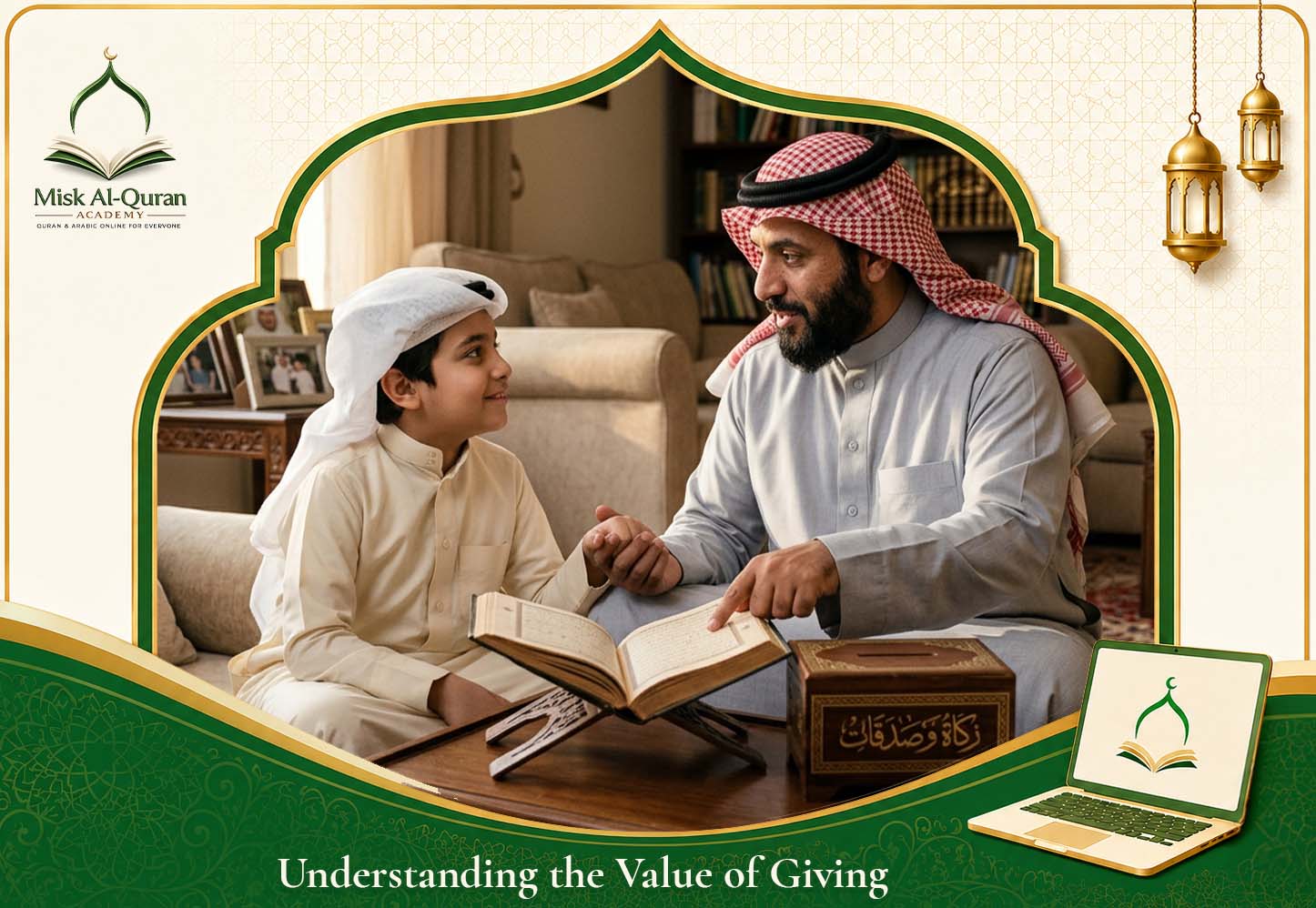
The Quran transforms how people view wealth. Instead of seeing money as absolute ownership, it presents it as a trust from Allah. This perspective encourages:
- Charity and helping those in need
- Sharing resources without fear of loss
- Supporting community welfare
Giving is not limited to money. It also includes time, effort, and kindness. Over time, generosity reduces attachment to materialism. The heart becomes less focused on possession and more focused on purpose.
The Importance of Seeking Knowledge
Knowledge holds a high position in the Quran. The very first revealed word encourages reading, reflecting, and learning. Seeking knowledge involves:
- Understanding the Quran deeply, not just reciting it
- Reflecting on signs in the universe and daily life
- Asking questions to grow intellectually and spiritually
Blind following is discouraged. Instead, believers are encouraged to think and understand. This approach creates a balanced personality—one that is both spiritually aware and intellectually developed.
Many students who begin learning the Quran also want to know how to speak Arabic with confidence. Studying with an online Quran teacher helps learners improve their Quran recitation while gradually building their Arabic vocabulary and pronunciation through regular practice.
One of the greatest benefits of learning Quran online is the flexibility to study from anywhere, receive personalized lessons, and progress at a comfortable pace without interrupting daily responsibilities.
Letting Go Through Forgiveness
Forgiveness is one of the most powerful teachings in the Quran. Holding onto anger can damage emotional well-being and relationships. The Quran encourages people to:
- Forgive others even when it is difficult
- Release resentment for inner peace
- Trust that Allah rewards patience and forgiveness
Forgiveness does not mean weakness. Instead, it reflects emotional strength and maturity. Improve Quran pronunciation with expert guidance to recite the Holy Quran accurately and confidently.
In many cases, the person who forgives benefits more than the one forgiven, because they gain peace of mind and emotional freedom.
Patience as an Active Strength
Patience in the Quran is not passive waiting. It is active endurance combined with trust in Allah. A patient person:
- Continues to work toward goals
- Maintains faith during delays or hardship
- Avoids panic and emotional collapse
This kind of patience builds resilience. It helps individuals face challenges without losing direction or hope. Join online Quran classes for kids that provide fun, interactive, and personalized Quran lessons with qualified teachers.
As a result, patience becomes a life skill that strengthens both character and decision-making.
Developing Humility
The Quran strongly warns against arrogance and self-importance. Arrogance destroys relationships and blinds people from the truth. Humility, on the other hand, leads to:
- Openness to learning
- Respect for others
- Emotional balance and self-awareness
A humble person grows continuously because they are willing to accept correction and improvement. This quality strengthens both personal development and social harmony.
Respecting Privacy and Reputation
Protecting others’ dignity is a major ethical principle in the Quran. It strongly discourages gossip, spying, and backbiting. Respecting others includes:
- Avoiding unnecessary judgment
- Protecting private information
- Speaking only what is beneficial
When people respect each other’s reputations, communities become safer and more trustworthy. This teaching builds a culture of dignity and responsibility.
Honesty and Keeping Promises
Honesty is not just a moral choice in the best way to Hifz Quran—it is a core characteristic of faith. A trustworthy person:
- Keeps promises consistently
- Fulfills responsibilities on time
- Avoids deception in both speech and action
This builds credibility in personal and professional life. Over time, honesty creates a reputation of reliability and respect. Practice Quran and self-reflection by understanding the Quran’s meanings and applying its guidance to your daily life.
How the Quran Restores Hope in Difficult Times
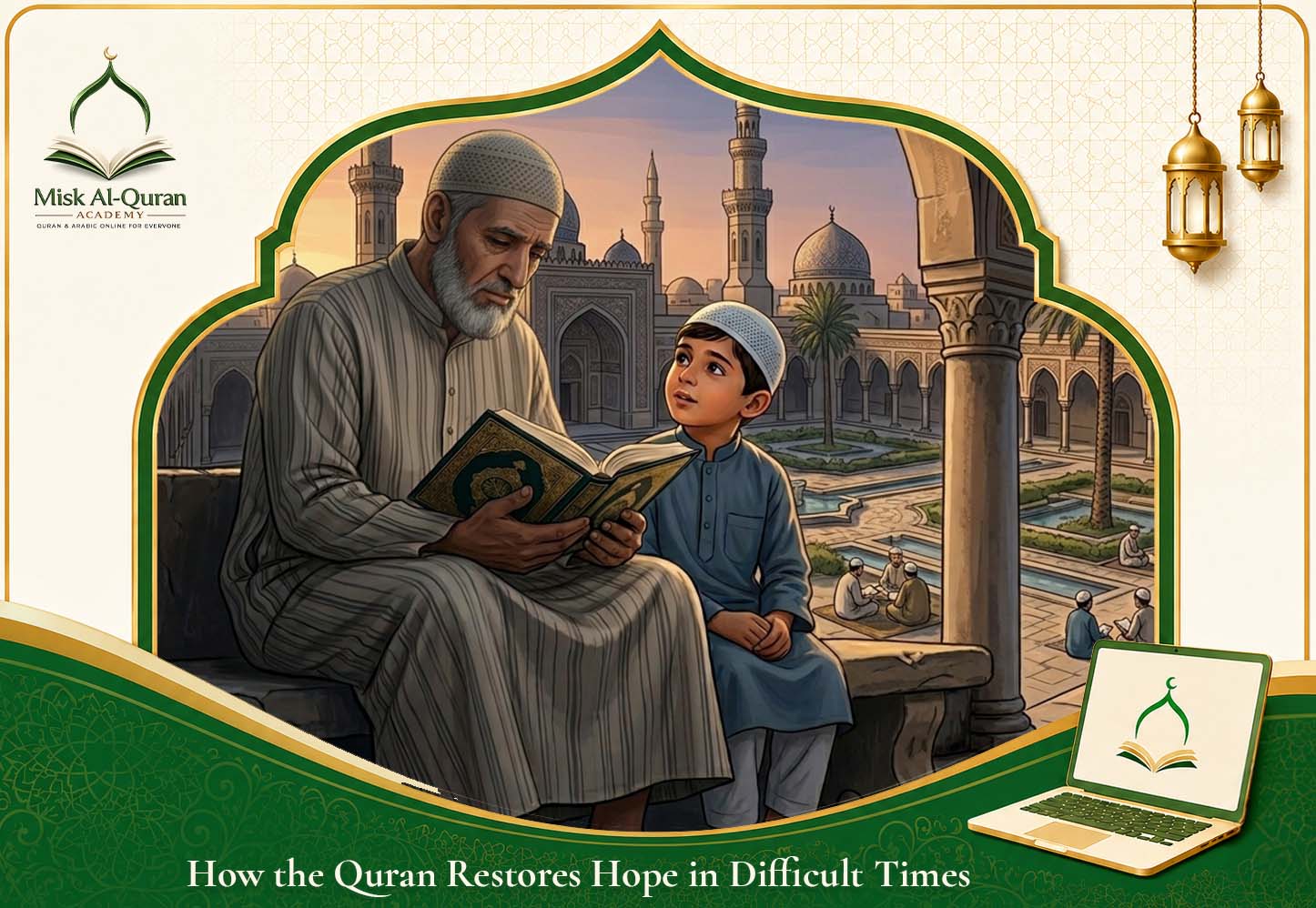
One of the most powerful messages of the Quran, as taught at Misk Online Quran Academy, is hope. No matter how many mistakes a person has made, the door of Allah’s mercy always remains open. This teaches that:
- Despair is never justified
- Change is always possible
- Allah’s mercy is greater than any sin
Hope gives strength during difficult times and motivates a person to keep improving themselves and return to Allah.
It ensures that no one ever feels permanently lost or disconnected from divine guidance, but always sees a path forward filled with mercy, renewal, and spiritual growth.
Frequently Asked QuestionsThis
is a section that provides quick answers to the most common questions people ask about a specific topic, helping readers find clear and direct information easily.
1. How can I apply Quran teachings in daily life?
Start with small actions, such as improving speech, practicing patience, and maintaining honesty. Gradually, these habits will grow.
2. Is understanding the Quran necessary, or is reading enough?
Reading is important; however, understanding adds depth and makes the guidance practical.
3. How long does it take to learn the Quran properly?
It depends on consistency. With regular practice and proper guidance, progress becomes steady and effective.
In conclusion, the answer to the question What do we learn from the Quran? It is not limited to a single aspect of life, but rather covers all dimensions of human existence. The Holy Quran is a comprehensive guide that leads a person toward faith and teaches how to live with awareness, purpose, and responsibility toward oneself and others.
Its teachings instill values such as justice, mercy, patience, and honesty, while also providing inner strength to face life’s challenges with resilience and hope. It continuously opens the door of repentance and return to Allah, no matter how many mistakes a person may make.
Ultimately, the Quran becomes a constant source of guidance and light, leading individuals toward a more stable and peaceful life, and helping them build a balanced personality and a morally grounded society.
Read also: Third pillar of Islam