The third pillar of Islam is one of the most important foundations of the Islamic faith, and at Misk Online Quran Academy, it is taught simply and clearly, which helps learners of all levels understand its meaning and significance. This pillar refers to Zakat, which is an essential act of worship that combines spiritual growth with social responsibility. For learners who want to go further, take a look at our Islamic studies classes.
Moreover, it teaches Muslims how to purify their wealth while supporting those in need within society. In addition, studying this pillar helps build awareness about fairness, compassion, and balance in daily life.
Therefore, learners gain not only knowledge but also a practical understanding of how to apply Islamic values correctly. As a result, Misk Online Quran Academy plays an important role in guiding students toward a deeper and more meaningful connection with their faith.
What Is Zakat and Why Was It Prescribed?
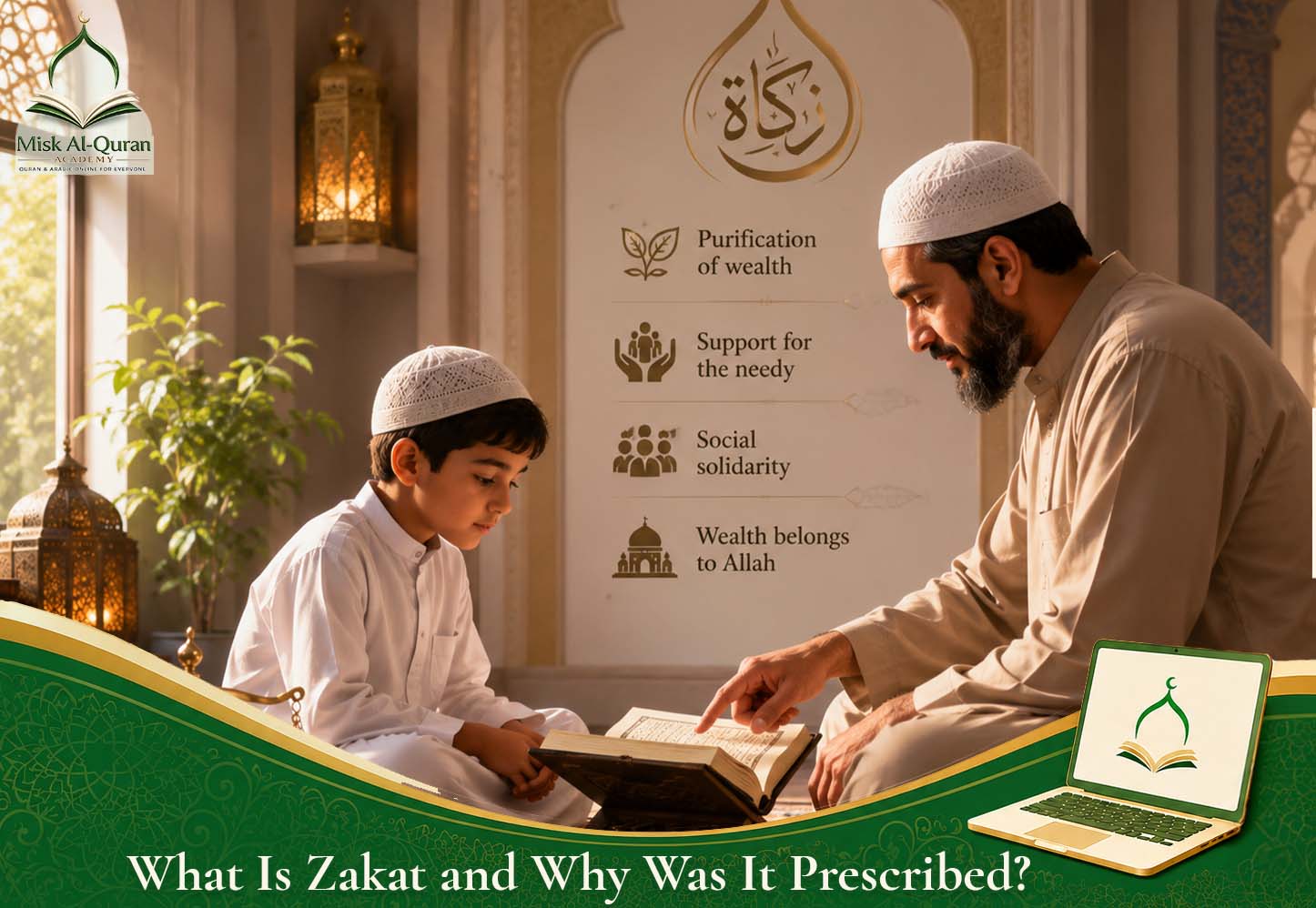
The word “Zakat” in Arabic literally means purification and growth. In Islamic law, it refers to a fixed portion of wealth that must be given to specific categories of people under certain conditions.
It becomes obligatory for Muslims who meet the required financial threshold. This obligation was prescribed not only to support the poor but also to achieve several broader goals:
- Reducing the gap between the rich and the poor
- Encouraging cooperation and solidarity
- Promoting social responsibility
- Reminding individuals that wealth ultimately belongs to God
Through this system, Islam establishes a financial model where support is based not only on charity but also on responsibility and accountability.
Start Your Quran Learning Journey with Misk Online Quran Academy
Ready to begin a meaningful journey of understanding the Quran and applying its teachings in your daily life? At Misk Online Quran Academy, we offer well-structured Quran courses designed to support learners of all ages in reading, understanding, and practicing the guidance of the Holy Quran.
Whether you are a beginner building a strong foundation or an advanced student aiming to enhance your knowledge, our qualified teachers guide you through every step of the learning process. Join Misk Online Quran Academy today and start developing a deeper connection with Allah through authentic Quran learning in a flexible and supportive online environment.

The Importance of Zakat in Islam
Zakat holds a central position in Islam as the third pillar after faith and prayer. The Qur’an frequently pairs it with prayer, highlighting the strong connection between worship and social duty. This connection teaches Muslims that faith extends beyond spirituality into practical daily actions.
Rather than functioning as a simple charity, this pillar establishes a structured system for fair wealth distribution. It prevents concentration of wealth in the hands of a few and encourages continuous circulation of resources within society. As a result, communities become more balanced, cooperative, and supportive of those in need.
The Wisdom Behind Zakat
Zakat carries deep wisdom that influences both individuals and society. It promotes spiritual growth while also strengthening social responsibility and economic balance.
1. Purification of the Soul
Human attachment to wealth is natural, so giving a portion of it requires strong faith. This practice purifies the heart from greed and selfishness, replacing them with generosity and compassion.
2. Social Balance
When the poor receive their rightful share, feelings of envy and resentment decline. Consequently, society becomes more stable and harmonious.
3. Growth and Blessing of Wealth
Contrary to common belief, wealth does not diminish through giving. Instead, it gains blessing and meaning, showing that prosperity is not measured only in numbers.
4. Strengthening Brotherhood
The Best Way To Hifz Quran is through consistent practice and sincere intention. This obligation strengthens human connection and mutual care. It reassures those in need that they are supported and valued within their community.
What Types of Wealth Are Subject to Zakat?
Zakat is due on several types of wealth in Islam, including various forms of savings and assets that meet the required conditions of nisab and holding period. These include:
- Cash, gold, and silver
- Business assets and trade goods
- Agricultural produce
- Livestock
However, Zakat becomes obligatory only when the wealth reaches a certain minimum amount (nisab) and remains in possession for a full lunar year in most cases. Practice Quran and self-reflection by understanding the Quran’s meanings and applying its guidance to your daily life.
How Much Is Zakat?
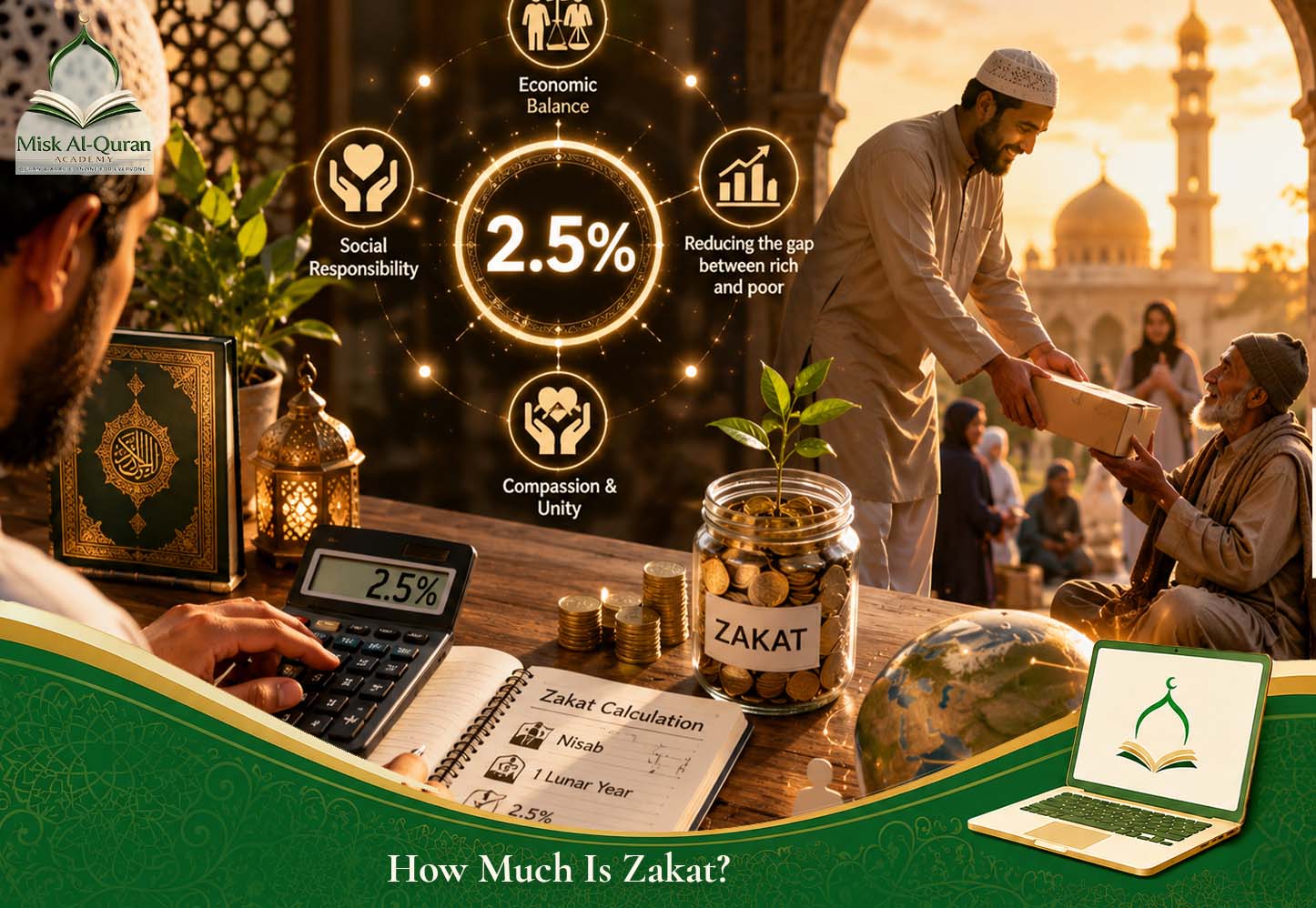
In Islam, Zakat is set at 2.5% of qualifying wealth, provided that it reaches the nisab threshold and is held for one lunar year. Although this percentage may seem small, its impact becomes very powerful when applied across society.
Zakat is more than a financial duty; it is a structured system that promotes economic balance and social responsibility. It helps reduce the gap between the rich and the poor by redistributing wealth in a fair and organized way.
It also supports those in need and strengthens social justice. When properly practiced, Zakat contributes to economic stability and fosters compassion, cooperation, and unity within the community.
Who Can Receive Zakat?
Islam clearly defines the categories of people eligible to receive Zakat to ensure that it reaches those who need it most and supports social welfare. These groups include:
- The poor
- The needy
- Those who collect and manage Zakat
- People in debt
- Those striving in the path of God
- Travelers in need
This clear distribution system ensures fairness and prevents misuse, making Zakat an organized obligation rather than random charity.
Zakat vs. Sadaqah: Key Differences and Shared Purpose
Sadaqah and Zakat are both important forms of charity in Islam, but they differ in obligation, structure, and application. Zakat is a mandatory act of worship that every eligible Muslim must fulfill according to specific rules, while Sadaqah is a voluntary act of giving that can be offered at any time and in any amount.
Despite these differences, both forms of charity share the same fundamental goal: helping others, reducing hardship, and spreading kindness within society. However, Zakat stands out because it follows a clear and structured framework that ensures fair distribution and consistent support for those in need.
The Impact of Zakat on Individuals and Society
Zakat transforms individuals by cleansing the heart from greed and increasing gratitude and self-discipline. At the same time, society benefits through reduced poverty and stronger social cohesion.
On the Individual Level:
It purifies the heart, strengthens faith, builds gratitude and self-discipline, and encourages generosity and inner peace in a Muslim’s life.
- Builds self-discipline
- Strengthens faith and gratitude
- Brings inner peace and satisfaction
At the Social Level:
Zakat reduces inequality, supports the needy, strengthens social bonds, and promotes cooperation, justice, and stability within the community.
- Reduces poverty
- Supports economic stability
- Encourages unity and cooperation
Proper Fulfillment of Zakat Practices and Guidelines
To fulfill Zakat properly, a Muslim should follow clear steps that ensure accurate calculation and correct distribution according to Islamic principles:
- Calculate wealth that meets the nisab threshold
- Confirm that one lunar year has passed
- Apply the 2.5% rate
- Distribute Zakat to eligible recipients
What Do We Learn From The Quran? Using trusted educational sources such as Misk Online Quran Academy helps reduce mistakes, improve understanding, and ensure accurate fulfillment of Zakat according to Islamic teachings.
The Third Pillar of Islam: Zakat and Its Social Benefits
Islam does not discourage wealth; instead, it regulates how people earn, manage, and spend it. Wealth serves as a responsibility rather than an absolute ownership, which helps maintain balance between material and spiritual life.
Zakat plays a central role in this balance by reminding Muslims that their wealth is a trust from God. Learn how to make Wudu correctly by following the essential steps of Islamic purification before prayer.
Understanding the third pillar of Islam reshapes priorities and encourages people to use their wealth for meaningful purposes. It increases awareness of social responsibility and motivates support for those in need. It also reduces materialism and promotes humility in daily life. As a result, faith and wealth work together to guide Muslims toward a more ethical and purposeful lifestyle.
Understanding Zakat in the Modern World
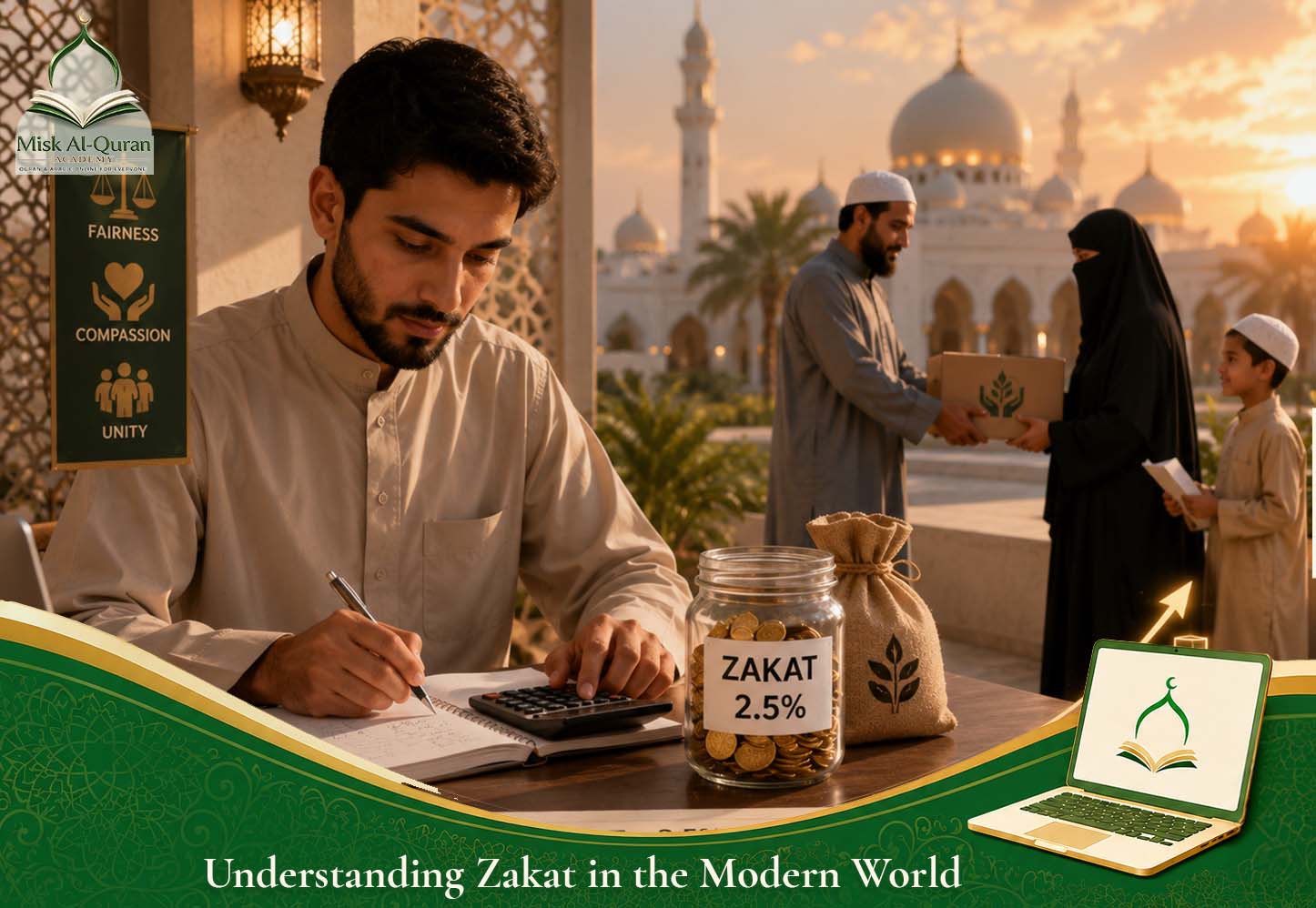
In today’s world, Zakat continues to play a vital role, whether individuals distribute it directly or through charitable organizations. Technology has also made learning about Zakat easier and more accessible than ever before.
Misk Online Quran Academy provides structured and reliable education that helps Muslims understand Zakat correctly. The academy offers clear explanations and practical guidance that enable learners to calculate and distribute Zakat with confidence.
It also raises awareness about the importance of fulfilling this obligation, helping Muslims stay connected to their faith while managing modern financial life. Explore interesting facts about Islam to deepen your understanding of Islamic history, beliefs, and values
Common Mistakes in Paying Zakat
Common mistakes include misunderstanding key rules, applying calculations incorrectly, and ignoring important details that affect accuracy and outcomes.
- Delaying Zakat without a valid reason
- Giving it to ineligible recipients
- Miscalculating the amount
- Believing that Zakat reduces wealth
Avoiding these mistakes ensures that Zakat achieves its intended purpose and benefits both individuals and society effectively.
Building a Strong Society Through Zakat
When Muslims pay Zakat regularly and correctly, they help build a more stable and connected society. Zakat works not only as an individual act of worship but also as a structured social system that supports long-term development. It strengthens trust between people and reduces inequality, which leads to a more balanced and cooperative community.
Applying the third pillar of Islam correctly brings important social benefits. It protects vulnerable groups, supports families in need, and encourages fairness in wealth distribution. It also strengthens a sense of responsibility that promotes social unity.
Key Outcomes of Proper Zakat Implementation
Proper Zakat implementation creates a fairer society where wealth is shared responsibly and basic needs receive better support. It also strengthens trust and supports long-term economic stability through shared responsibility.
- Reduced poverty-related crime
- Stronger support for vulnerable groups
- Greater economic justice
Overall, Zakat builds stronger communities by reducing inequality and encouraging compassion. It ensures fair circulation of wealth and contributes to a more stable and caring society for everyone. Improve Quran pronunciation with expert guidance to recite the Holy Quran accurately and confidently.
Why Learning Zakat Is Important for New Muslims?
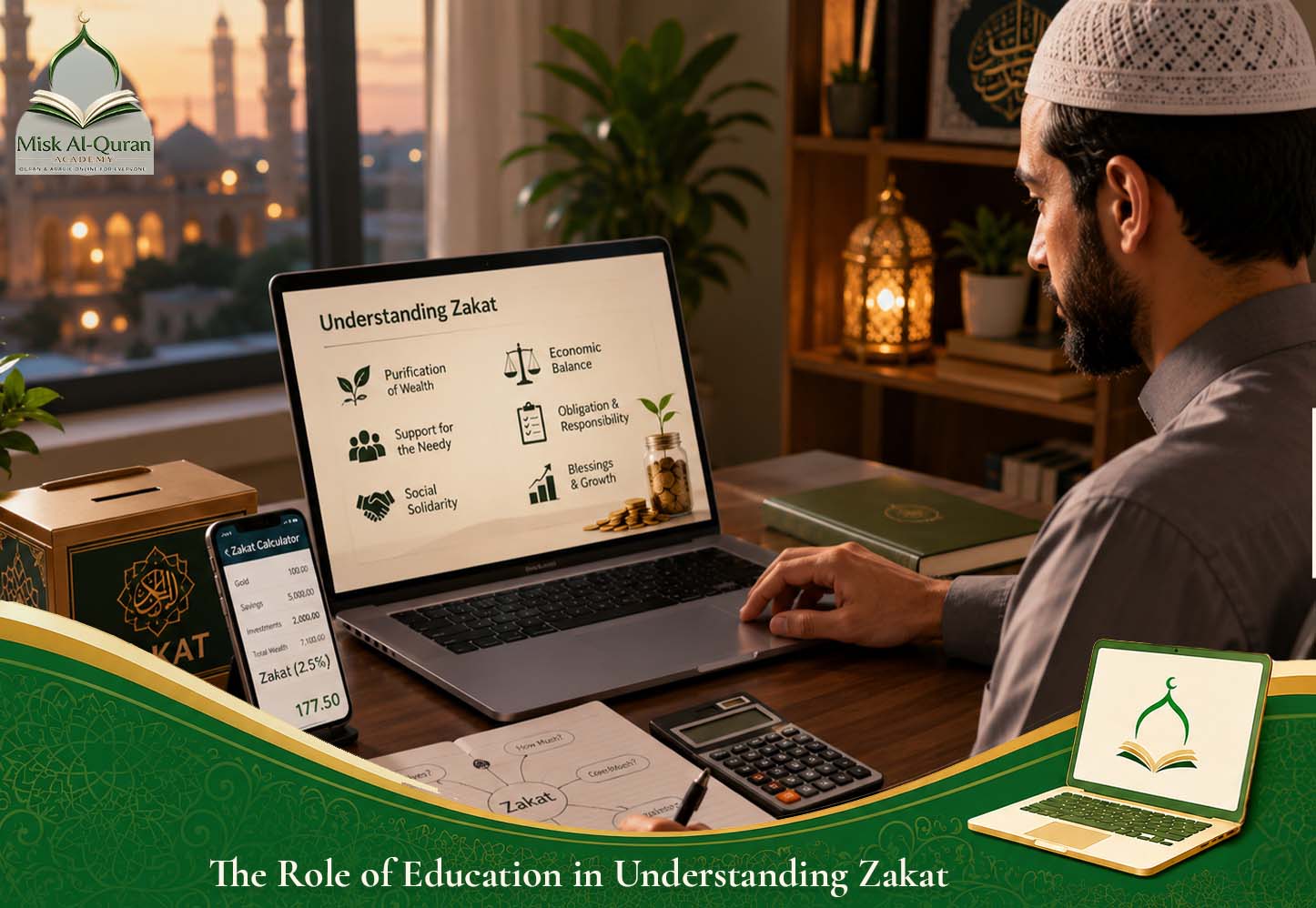
Frequently Asked Questions about the Third Pillar of Islam
The third pillar of Islam is Zakat, which is a required form of charity in Islam. It helps purify wealth and supports people in need within the community.
2. Who must pay Zakat?
Zakat is required for Muslims who own wealth above the minimum limit, known as nisab, and who have held it for one lunar year. Therefore, anyone who meets these conditions must give Zakat.
3. Why is Zakat important in Islam?
Zakat is important because it strengthens social justice and reduces poverty. In addition, it builds strong bonds between people by encouraging care and responsibility, which leads to a more balanced society.
In conclusion, the third pillar of Islam plays a vital role in shaping a balanced and compassionate society. It goes beyond financial obligation and represents a deep sense of responsibility toward others.
By fulfilling Zakat, Muslims strengthen their faith, purify their wealth, and contribute to social justice. Moreover, this pillar reminds believers that wealth is a trust from Allah and should be used to benefit the entire community. As a result, individuals grow spiritually while society becomes fairer and more united.